
Sustainable Supply Chain Management
Low-Carbon Supply Chain

Chroma ATE Inc. mainly engages in the design, assembly, manufacturing, trading, repair, maintenance, calibration, and distribution of computer and peripheral equipment hardware and software, computer-automated test systems,
electronic test equipment, signal generators, power supplies, and communication power supply equipment, and the design, manufacture, and installation of automated equipment.
Currently, the main product lines include:
1. Test equipment
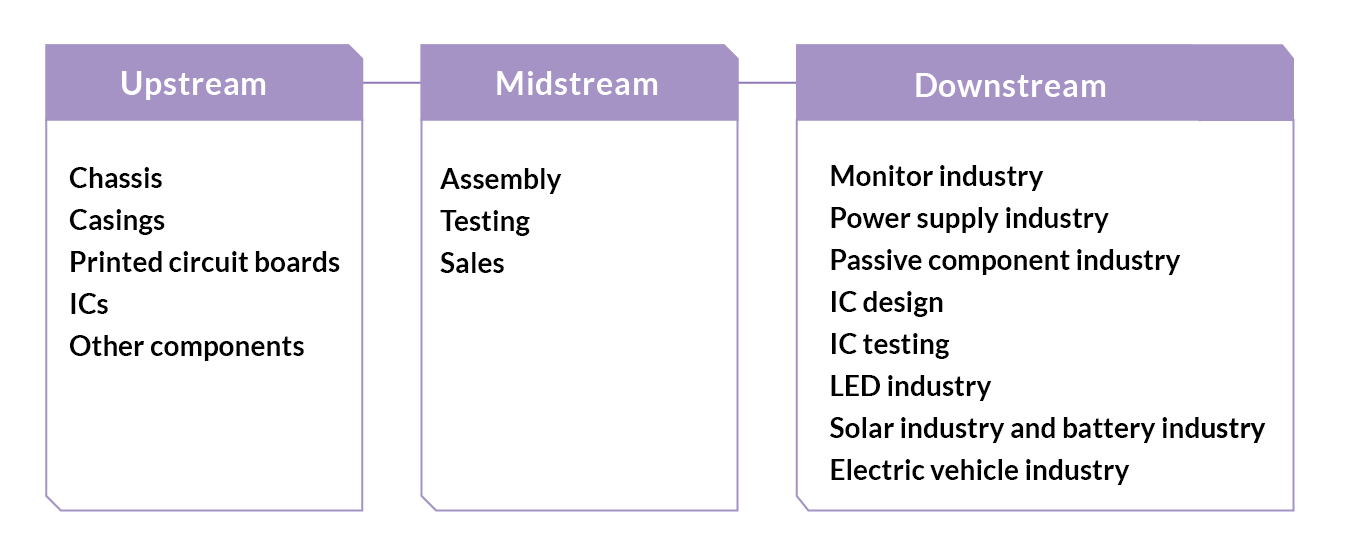
In the field of test instruments within the information electronics industry, products are mainly assembled by the Company and its subsidiaries using upstream components and then marketed to customers under the Company's own brand. The Company and its subsidiaries offer an extensive selection of solutions for product testing and validation purposes to customers from many fields such as video surveillance, passive components, LCD modules, LED, semiconductor, photovoltaics (PV), and electric vehicle industries. The following diagram describes the relationship between the upstream, midstream, and downstream sectors in this industry:
2. Automated equipment
In the area of automatic equipment, the Company combines measurement equipment, automation systems, and MES software capabilities to provide customers with integrated automation solutions (Turnkey Solution). The Company's subsidiary, MAS AUTOMATION CORP., mainly provides diverse integrated solutions, including solar module line automation production and system integration, TFT-LCD automation production and system integration, battery module automatic testing systems, and cleanroom equipment planning and system integration.
The instruments produced by Chroma and its subsidiaries are characterized by low volume and high variety, requiring a wide range of raw materials. The main raw materials include FPGA ICs, power converter ICs, memory, relays, mechanical components, and circuit boards. Currently, these are all sourced through more than three suppliers who distribute products from globally renowned manufacturers. These suppliers have long-term cooperative relationships with the Company, with stable quality and supply, and maintain good relations with Chroma. To ensure interchangeability and competitiveness between suppliers, thereby diversifying procurement risks and appropriately reducing costs while obtaining better services, procurement is centrally managed by the procurement department through both domestic and international vendors. The purchasing unit shall regularly review quotations offered by the supplier. QC and purchasing personnel shall conduct audits at the supplier end to ensure the stability of product quality while assessing the production capability of the supplier.
Local Procurement
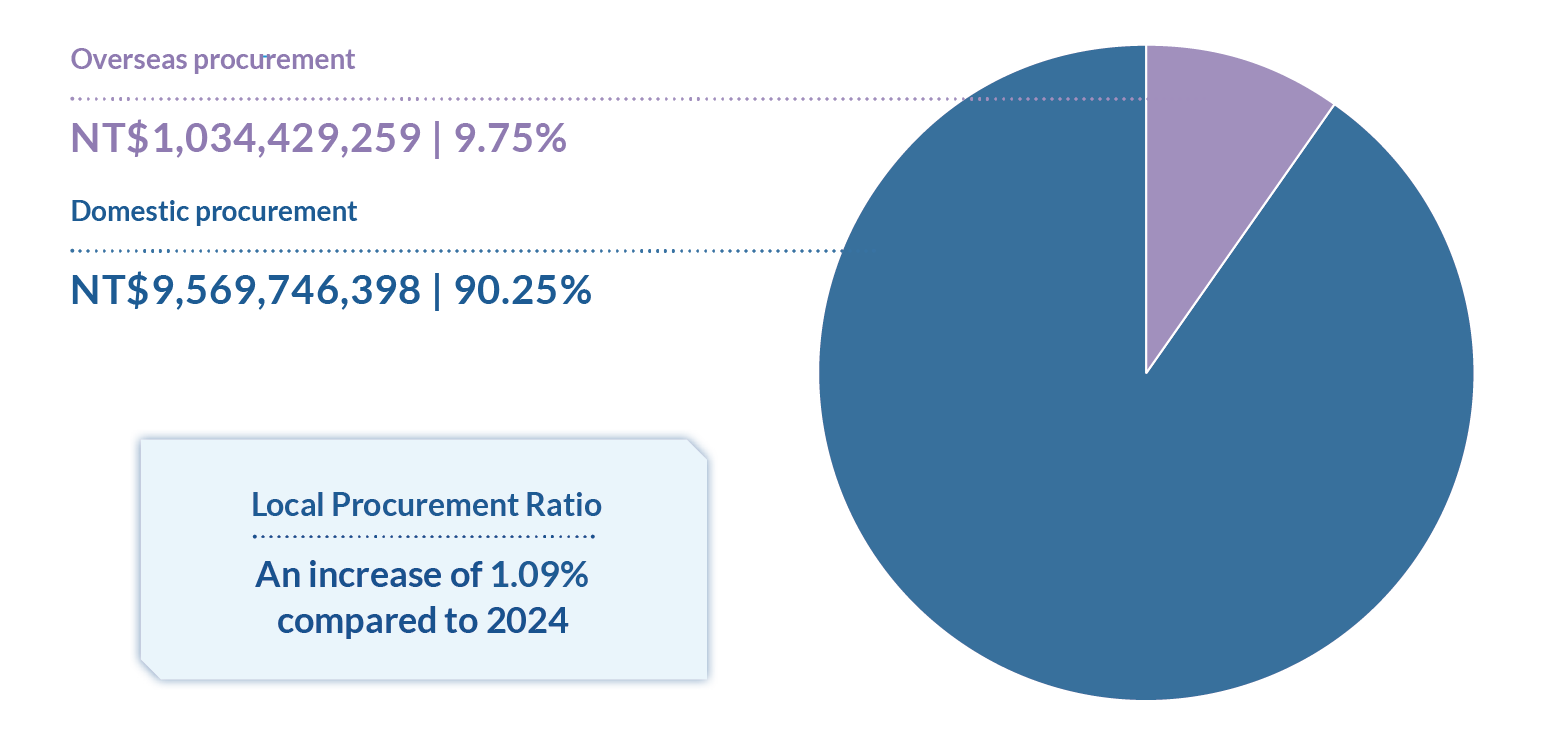
There were no major changes to the key supplier data for 2025. (Those that accounted for more than 10% of the net purchase amount in the past two years.) A total of 54 new suppliers were added, of which 46 met the criteria for exemption from on-site evaluation, and 8 underwent on-site evaluations. Suppliers are important partners in the Company's operations, and both parties jointly pursue sustainable business operations and growth. We are actively committed to implementing local procurement.
To achieve this policy, the local procurement ratio in Taiwan reached 90.25%, an increase of 1.09% compared to 2024, ensuring an efficient and flexible supply chain.
Key Components and Hazardous Substances
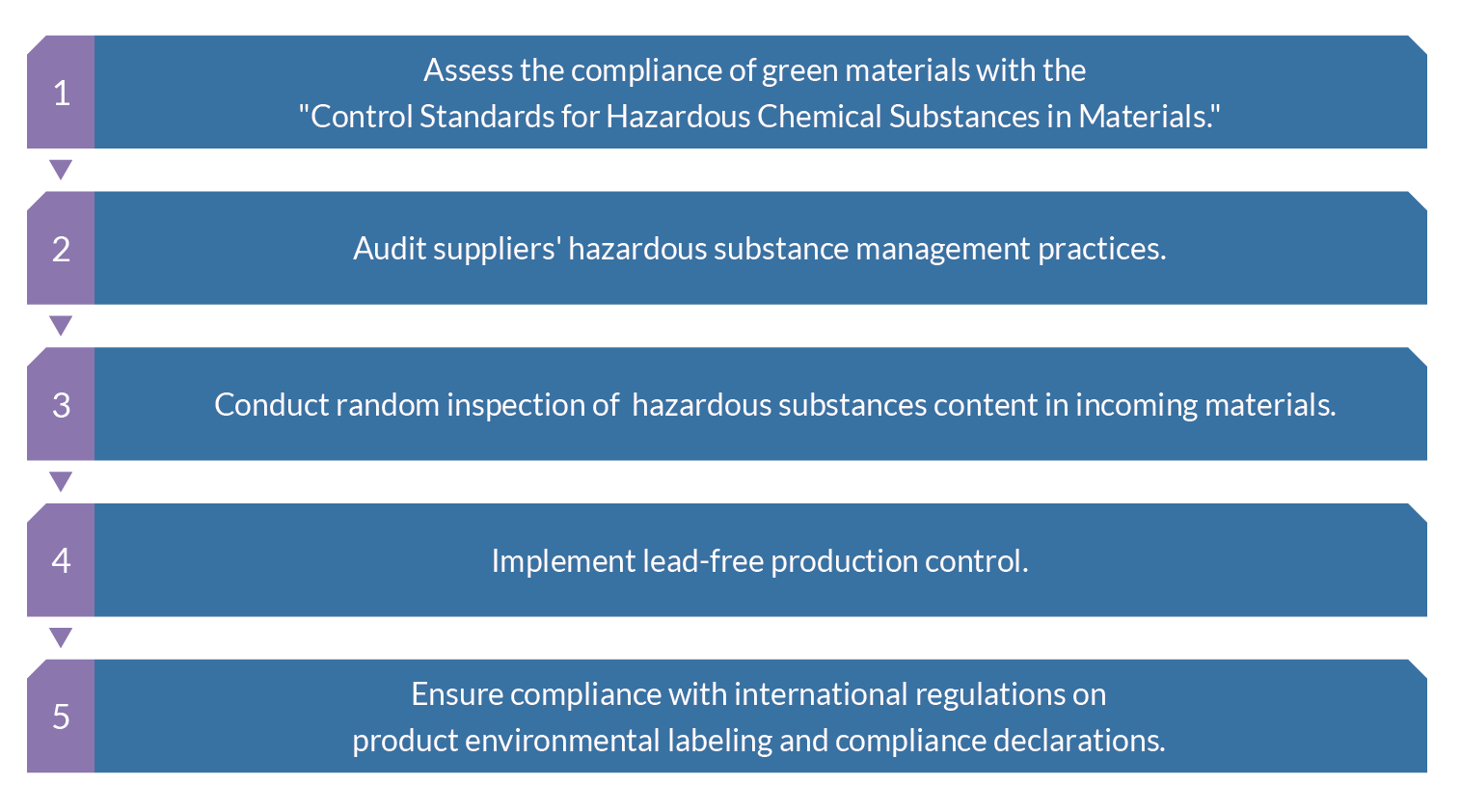
In raw materials, components, auxiliary materials, or packaging materials, an eco-design concept is implemented. According to Chroma's "Controlled Substances Standards for Materials," the Company's environmental controlled substances are categorized into the following five types for control. The R&D units all adhere to these measures prohibiting the use of the restricted substances listed below when developing new products:
- RoHS restricted substances, in compliance with the EU RoHS Directive and China's "Administrative Measures on the Control of Pollution from Electronic Information Products," prohibiting or restricting the use of hazardous chemical substances.
- REACH SVHC restricted substances, as announced by the European Chemical Agency (ECHA), substances of very high concern (SVHC) that are highly hazardous to humans and the environment.
- Other restricted substances under relevant regulations, as stipulated by the main trading countries' laws prohibiting or restricting hazardous substances, with reference to IEC 62474 Material Declaration Standard for the electrical and electronic industry.
- Ozone Depleting Substances (ODS), controlled chemical substances announced under the Montreal Protocol.
- ELV and GADSL restricted substances, as defined in the EU End-of-Life Vehicles Directive and the Global Automotive Declarable Substance List (GADSL).
Since Chroma ATE began implementing hazardous substances control in 2005, no hazardous chemical substances have been substituted in new products, and most legacy products have also been converted to meet compliance. As of the beginning of 2023, there were still 632 products not yet compliant. After product discontinuation and design changes, all were in compliance with control requirements by the end of 2024. In 2025, hazardous substances were no longer used in existing finished products.
Hazardous Substances Control Process
Supplier Management
New suppliers are required to pass performance evaluations and complete supplier evaluation forms in accordance with the Supplier Management Regulations prior to engaging in transactions. They are also required to comply with the Chroma Supply Chain Code of Conduct and sign a procurement contract, an Integrity Commitment, and an Environmental Protection Declaration. In 2025, a total of 54 new suppliers were added, of which 46 met the criteria for exemption from on-site evaluation, and 8 underwent on-site evaluations. Suppliers are important partners in the Company's operations, and both parties jointly pursue sustainable business operations and growth.
Existing suppliers are required to pass an annual performance evaluation. For evaluation results, please refer to the existing supplier management process below.
New Supplier Assessment
In accordance with the "Supplier Management Regulations," when selecting new suppliers, the procurement unit requests suppliers to provide material pricing, lead time, specifications, or samples, which are then reviewed and confirmed by the relevant requesting units. Suppliers are also required to perform a self-assessment, and on-site evaluations are conducted when necessary.
The evaluation items include A~M, a total of 12 items. Among them, the corporate sustainability management section includes environmental management, occupational health and safety management, corporate social responsibility, and hazardous substances management. In 2025, there were 54 new suppliers, all of whom underwent corporate sustainability management evaluation.
Supplier Risk Assessment Questionnaire
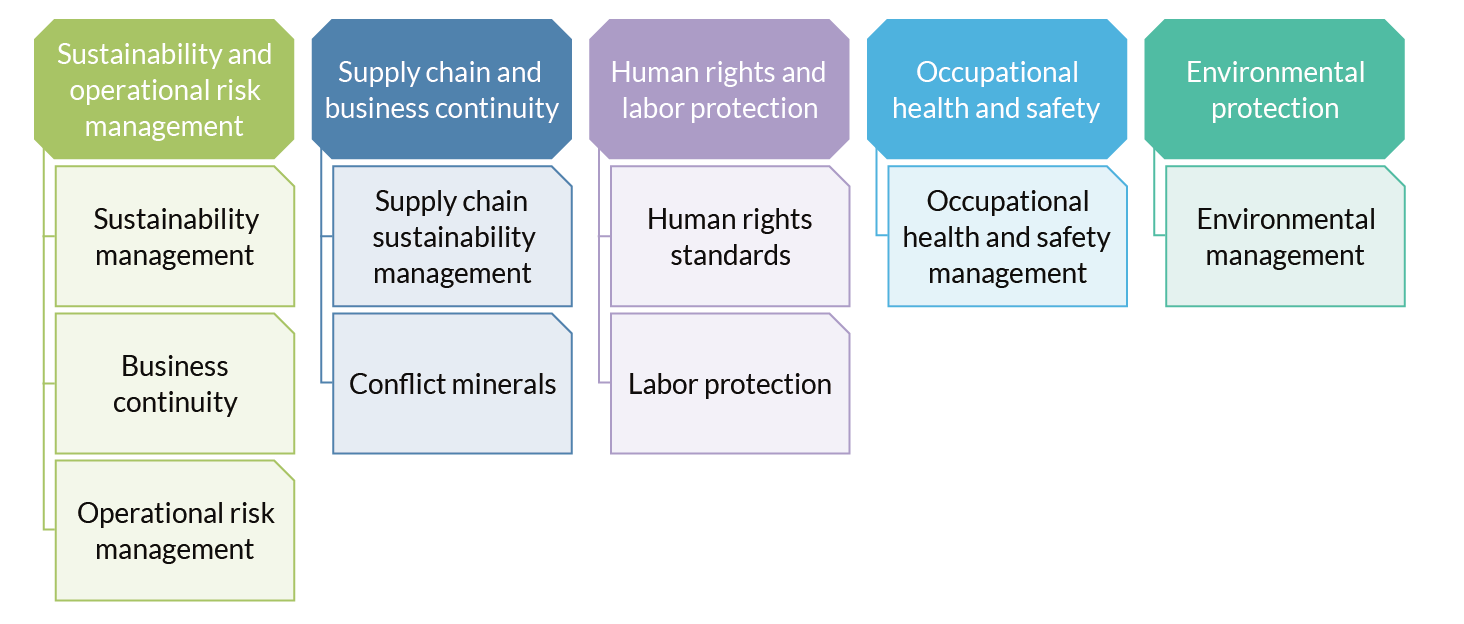
In addition, to further understand how new suppliers are preparing for the current wave of ESG initiatives, a risk assessment questionnaire is conducted alongside the supplier self-assessment. The assessment covers:
In 2025, there were a total of 728 suppliers, including both new and existing ones. Of these, 255 were suppliers that had a total transaction amount exceeding NT$5 million in 2024 and were new suppliers in 2025. Through responsible supply chain management, Chroma has signed regulatory documents with its suppliers and maintained close communication and cooperation to achieve mutual development and sustainability.
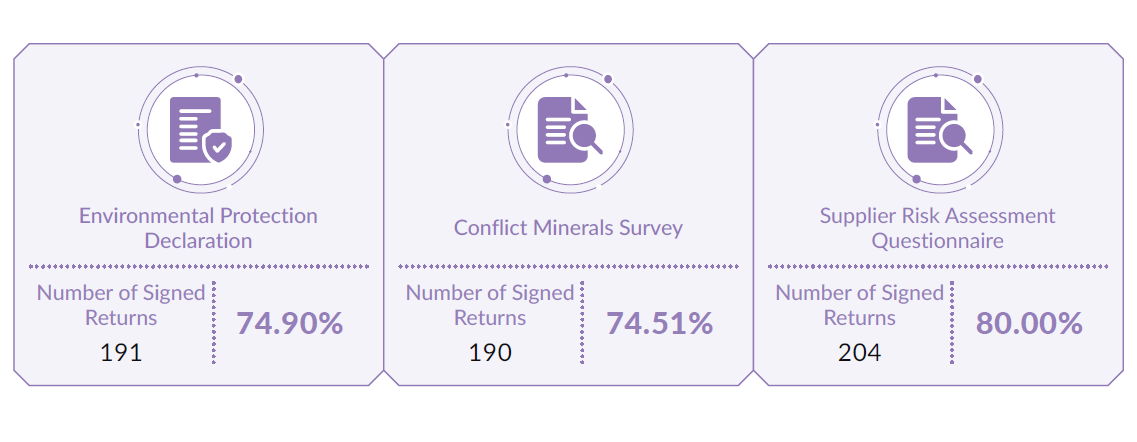
In line with its commitment to and expectations for sustainable supply chain management, Chroma requires new suppliers to sign an "Integrity Commitment" annually. In 2025, 54 new suppliers were onboarded, of which 45 responded to the Integrity Commitment, achieving a response rate of 83.33%. Additionally, a total of 204 suppliers responded to the Risk Assessment Questionnaire, with a response rate of 80%. Suppliers who have not yet responded will be followed up and assisted in signing the required document. The Company will work with its suppliers to create a sustainable supply chain and provide customers with responsible, high-quality services.
In 2025, 255 suppliers signed the Environmental Protection Declaration, Conflict Minerals Survey, and Risk Assessment Questionnaire.
Existing Supplier Management Process
At present, we conduct supplier chain evaluation through the comprehensive supply chain management approach based on Q (Quality), C (Cost), D (Delivery) and S (Service). The objective of supplier management is the fulfillment of commitment to our trading partners to work closely with them through the QCDS supply chain evaluation approach. We seek effective management of logistics and the flow of information and cash. We aim to establish a sustainable and stable supply chain system managed by the vertical integration of the upstream and downstream systems.
Quality
- Defect rate under IQC (incoming quality control)
- Lot rejection rate under IQC
- Number of batch rejections due to quality defects
- Amount deducted for quality defects
- Number of recurring defects under IQC
Cost
- Supplier cost reduction (direct materials)
- Supplier cost reduction (indirect materials)
Service
- Supplier service efficiency/termination by customer/additional delivery fees
Delivery
- Order fill rate of actual delivery and promised delivery
- Order fill rate of emergency demand and actual delivery
Based on the total score of each evaluation item, suppliers are classified into grades A, B, C, and D.
Grade A suppliers: Preferred suppliers.
Grade B suppliers: Qualified suppliers.
Grade C suppliers: Conditionally approved suppliers.
Grade D suppliers: Suppliers under observation, given a six-month period to implement corrective actions.
If they still fail to meet the requirements, their supplier qualification will be revoked.
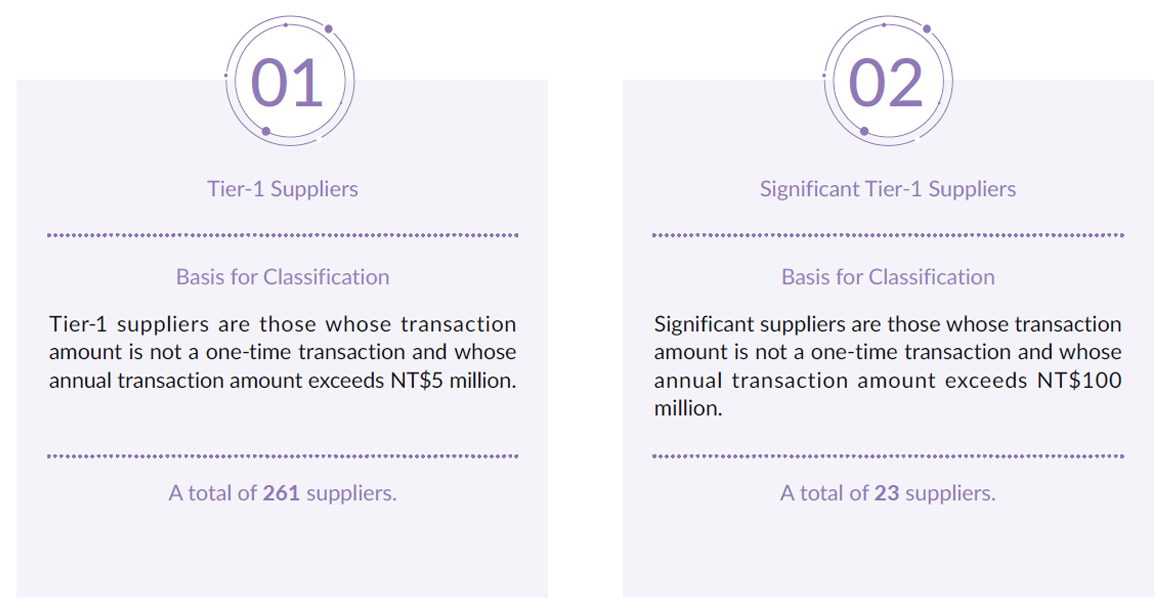
In 2025, a total of 728 suppliers underwent "performance evaluations," including 261 Tier-1 suppliers with annual transaction amounts exceeding NT$5 million. ESG-related surveys are scheduled for April 2026. All evaluation results fell within grades A, B, and C. After years of evaluation, most suppliers are able to meet our requirements. Moving forward, senior management from the Quality Assurance and Procurement units will continue to oversee the process.
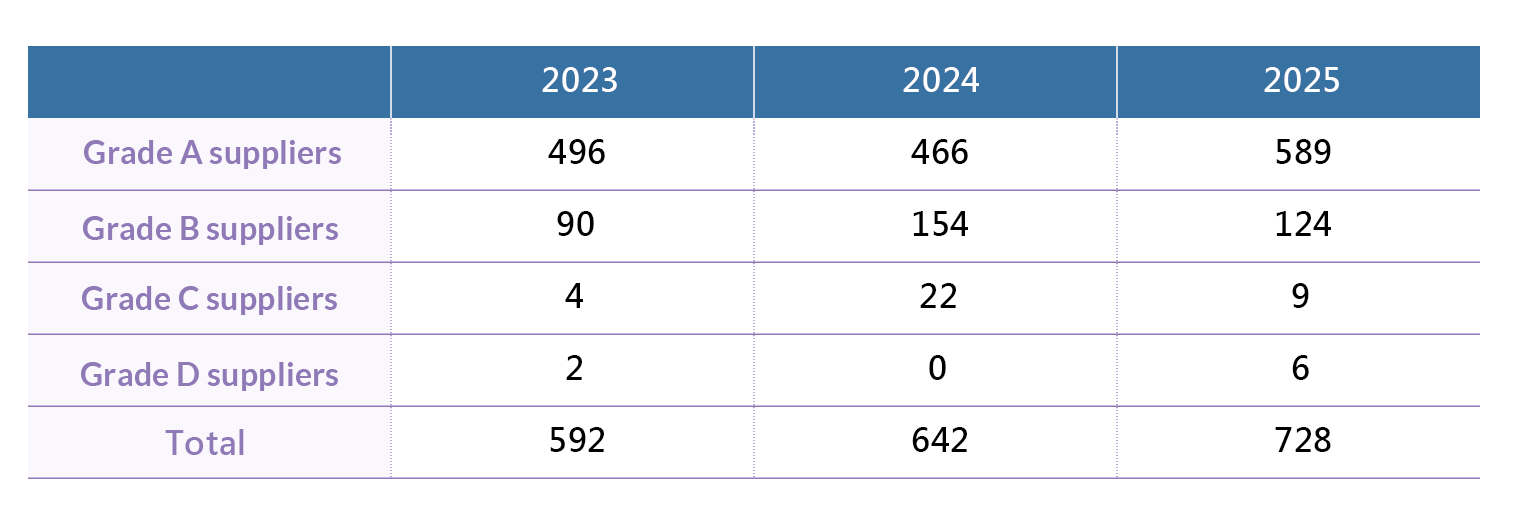
In 2025, there were 6 Grade D suppliers, of which 5 were required to undertake corrective actions or re-evaluation, and 1 was terminated. After guidance and observation by Chroma, 5 suppliers were reinstated as qualified suppliers. One supplier was terminated for failing to meet performance evaluation standards despite the implementation of corrective actions.
Significant Suppliers
To build a sustainable supply chain, we classify significant suppliers based on annual transaction amounts.
Partnering with Suppliers for Green Transition
Chroma invites customers and suppliers to jointly build a low-carbon supply chain and collaborate in creating a sustainable business model.
Description of Content :
- Return cartons to suppliers for reuse.
- Recycle and reuse wooden crates and pallets.
2025 Performance :
- A total of 29.6 tons of cardboard was recycled, representing a 68% increase compared to 2024.
- A total of 5,807 wooden pallets were recycled and reused within the plant or returned to suppliers for reuse, representing a 45% growth compared to 2024.
→ Cardboard and wooden pallets have met and even exceeded the performance targets for 2025.
2026 Expected Performance :
- Target of recycling 30 tons of cartons.
- In-house recycling and reuse target of 6,000 wooden crates and pallets.
Conflict Minerals Management
Chroma recognizes the impact of conflict minerals on the social environment and international human rights, and has formulated a "Conflict Minerals Policy." It conducts reasonable supply chain due diligence
in accordance with international standards to ensure that the metals used in its products comply with the principles of "DRC Conflict-Free Minerals."
For gold (Au), tantalum (Ta), tungsten (W), tin (Sn) (collectively referred to as 3TG minerals), and cobalt (Co), the Company requires that these materials do not originate from conflict-affected and high-risk areas
(CAHRAs) in the Democratic Republic of the Congo and its surrounding areas. The Company also requires that they are not sourced from mines or trade routes controlled by non-governmental armed groups or illegal military forces, including any instances of illegal taxation or illicit activities within the related trade processes. For trade routes that have not yet been verified as conflict-free (such as direct exports from the Democratic
Republic of the Congo, or those transshipped through Rwanda, Uganda, Burundi, Tanzania, and Kenya), Chroma adopts a precautionary approach. The Company requires suppliers to conduct enhanced verification to reduce human rights risks in the supply chain and ensure responsible procurement principles.
Conflict Mineral Management Process
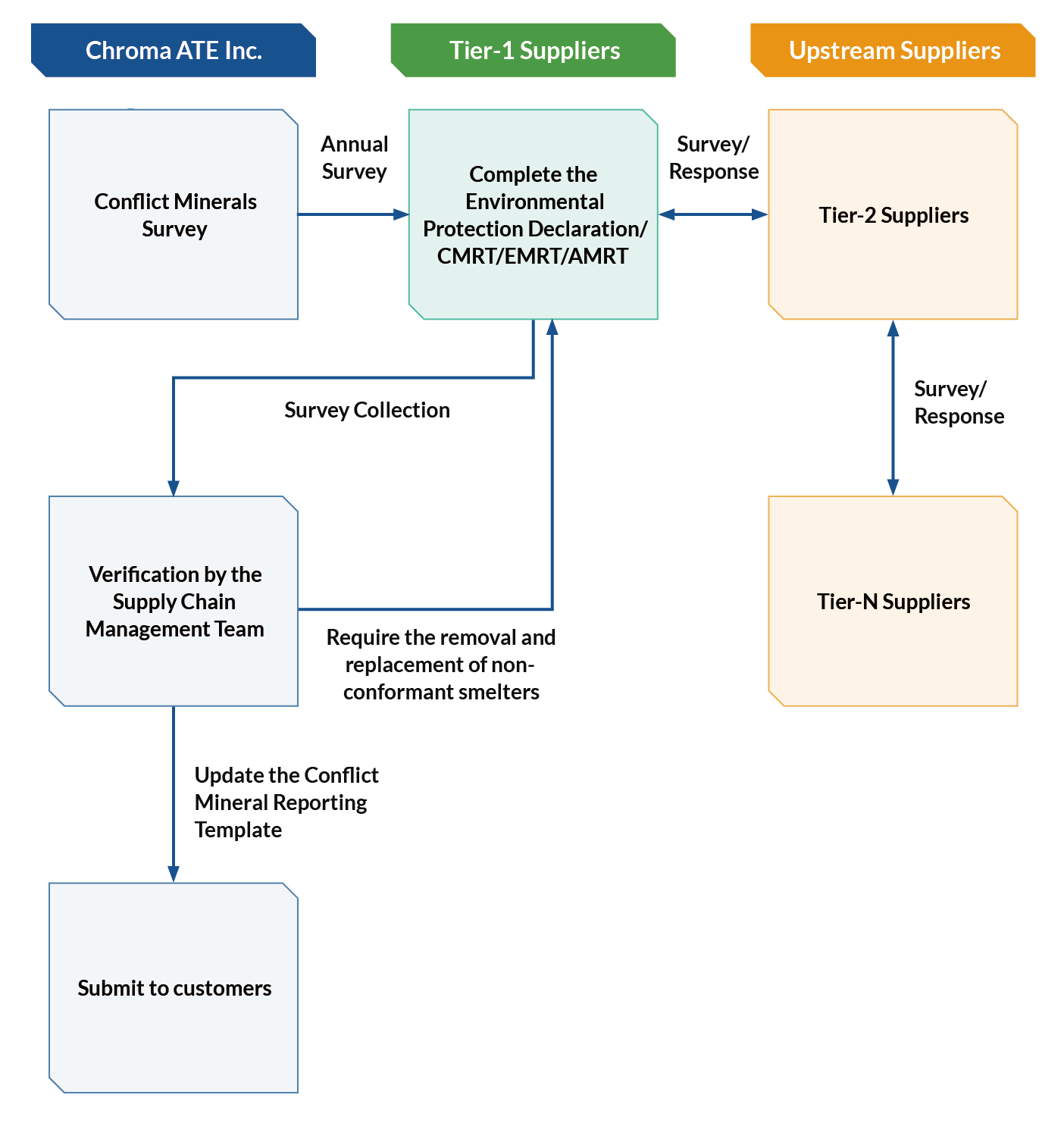
Conflict minerals are a significant issue of high concern with respect to social environment and international human rights. Chroma conducts thorough due diligence throughout its supply chain to ensure its cooperating suppliers source minerals from legitimate mines and fulfill their corporate social responsibilities. Furthermore, Chroma requires upstream manufacturers to share responsibility for ensuring that the metals used in its products originate from legitimate sources. Through the Conflict Minerals Reporting Template (including CMRT/EMRT/AMRT), Chroma investigates the types of minerals used by suppliers, their sources, associated smelters, and their distribution locations. This information is cross-checked against the RMI Active and Conformant Facilities List and the Entity List. If any non-conformant smelters are identified, suppliers are required to remove or replace them.
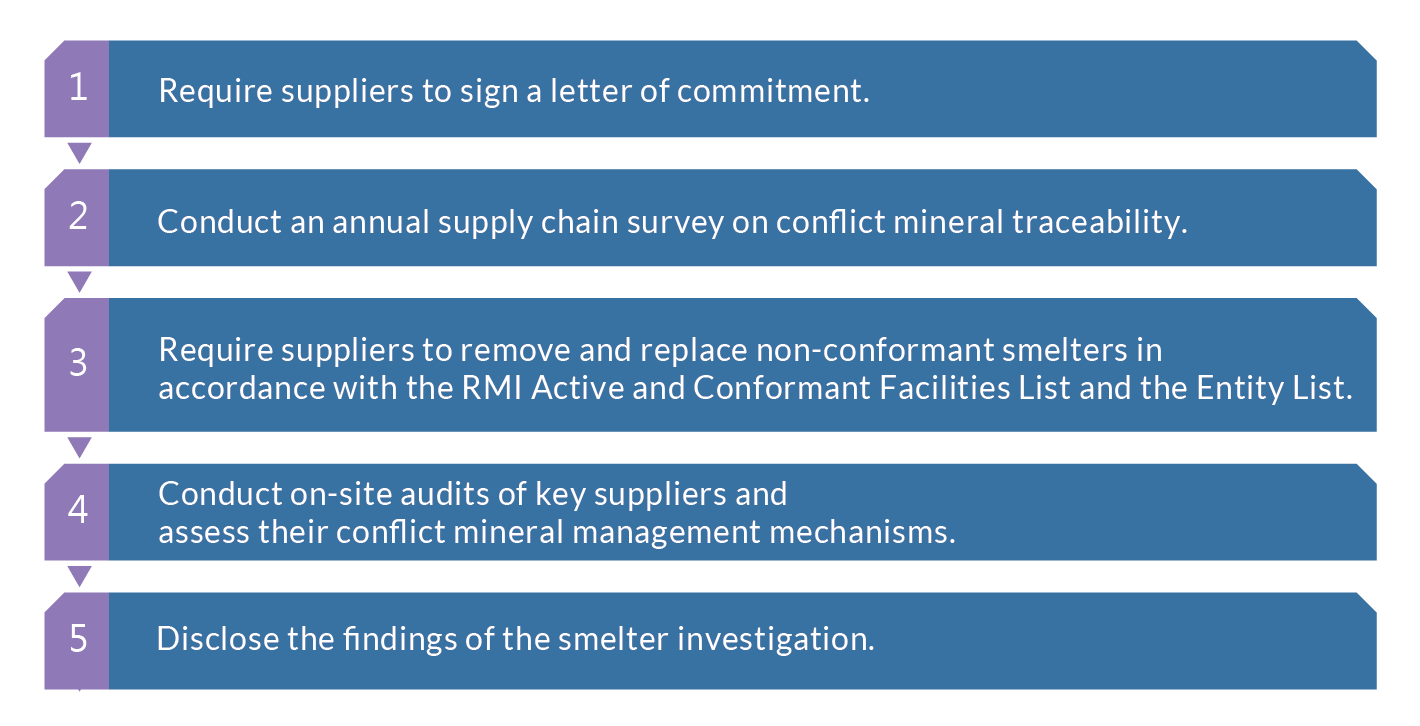
Chroma's due diligence process for conflict minerals
In 2025, 67.45% of suppliers completed due diligence on conflict minerals.
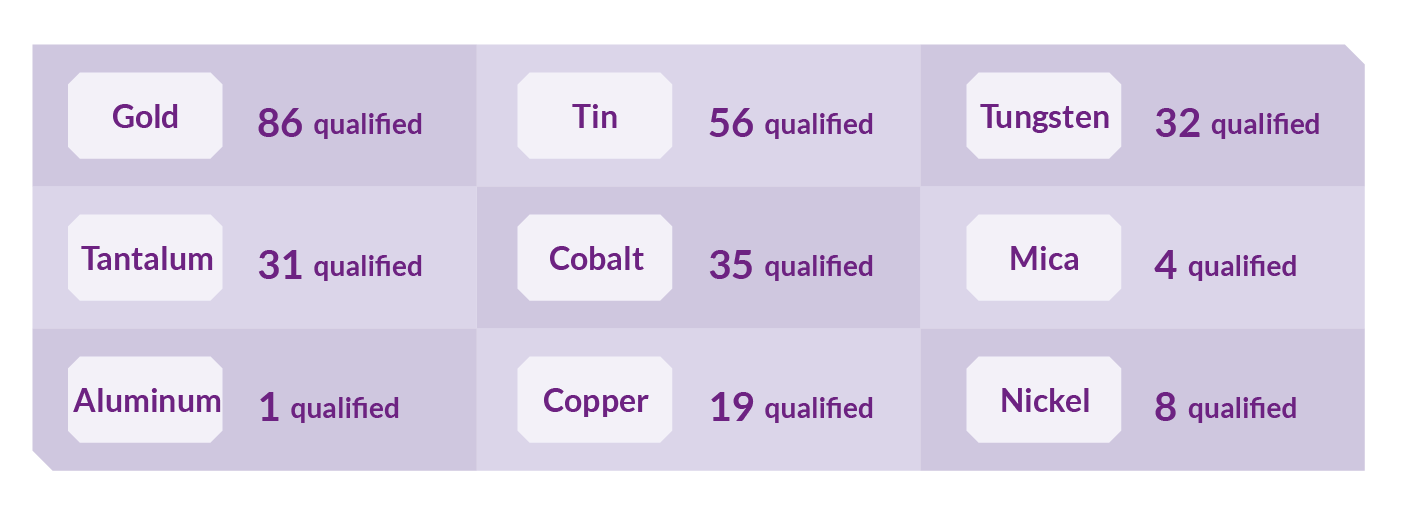
Summary of 2025 Smelter Survey Results
In 2025, a total of 271 smelters were identified in Chroma's supply chain, all of which were included in the latest conformant smelters list.
Supply Chain Audit and Improvement
Based on "Supplier Management Classification System Regulations" and "Supplier Management Regulations," Chroma conducts on-site or remote inspections regarding environmental management, occupational safety and health management, information security, corporate social responsibility, and hazardous substance management. Performance evaluations are conducted for each supplier every six months. The procurement department notifies suppliers that fail to meet the standards in writing, requiring them to implement corrective actions within six months. If a supplier continues to fail to meet the standards, a meeting is convened to assess its eligibility as a supplier to the Company.