
Global Talent
Employee Composition

Employee Employment Status
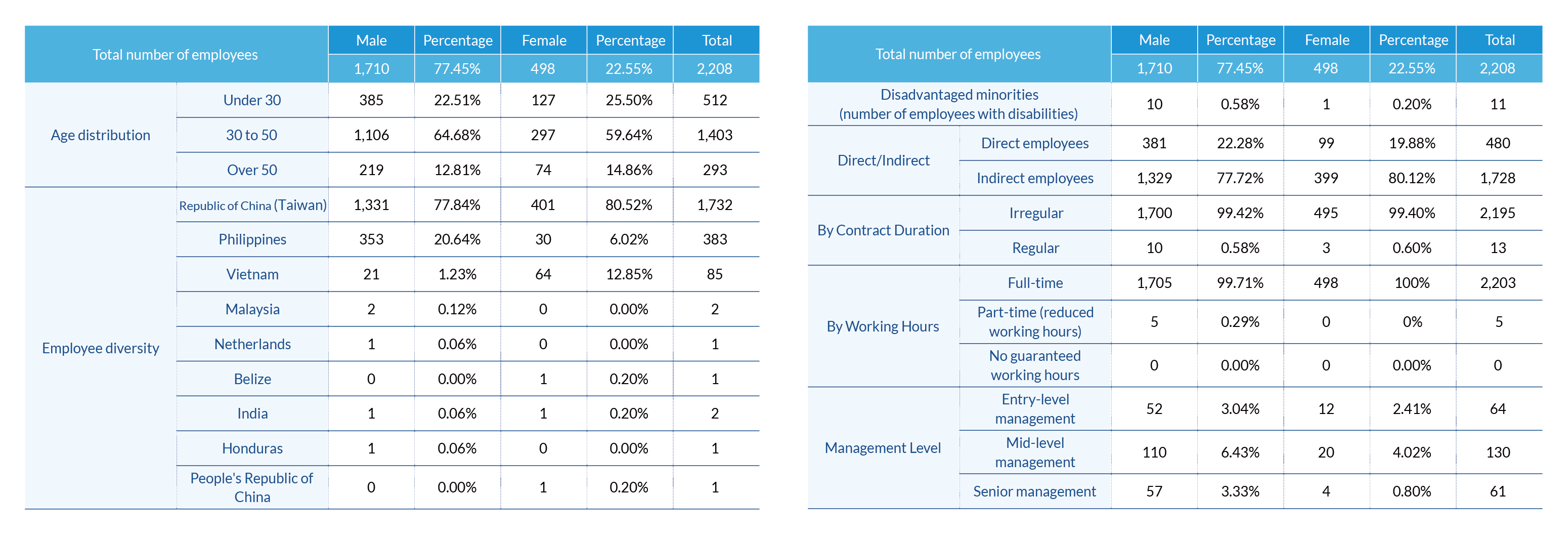
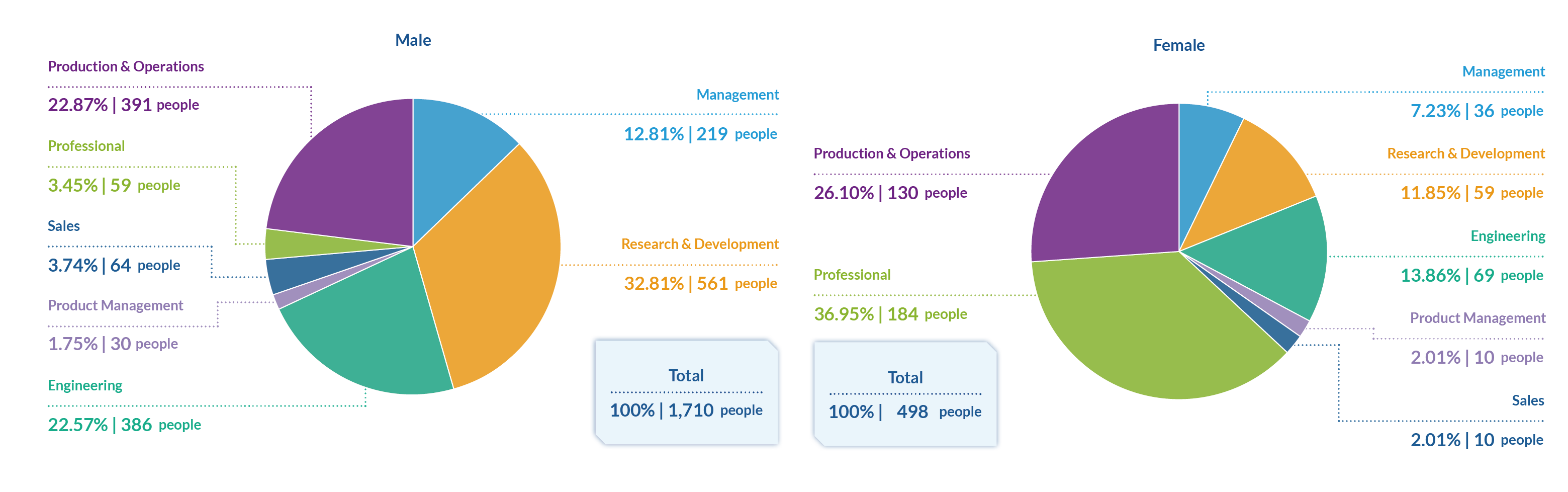
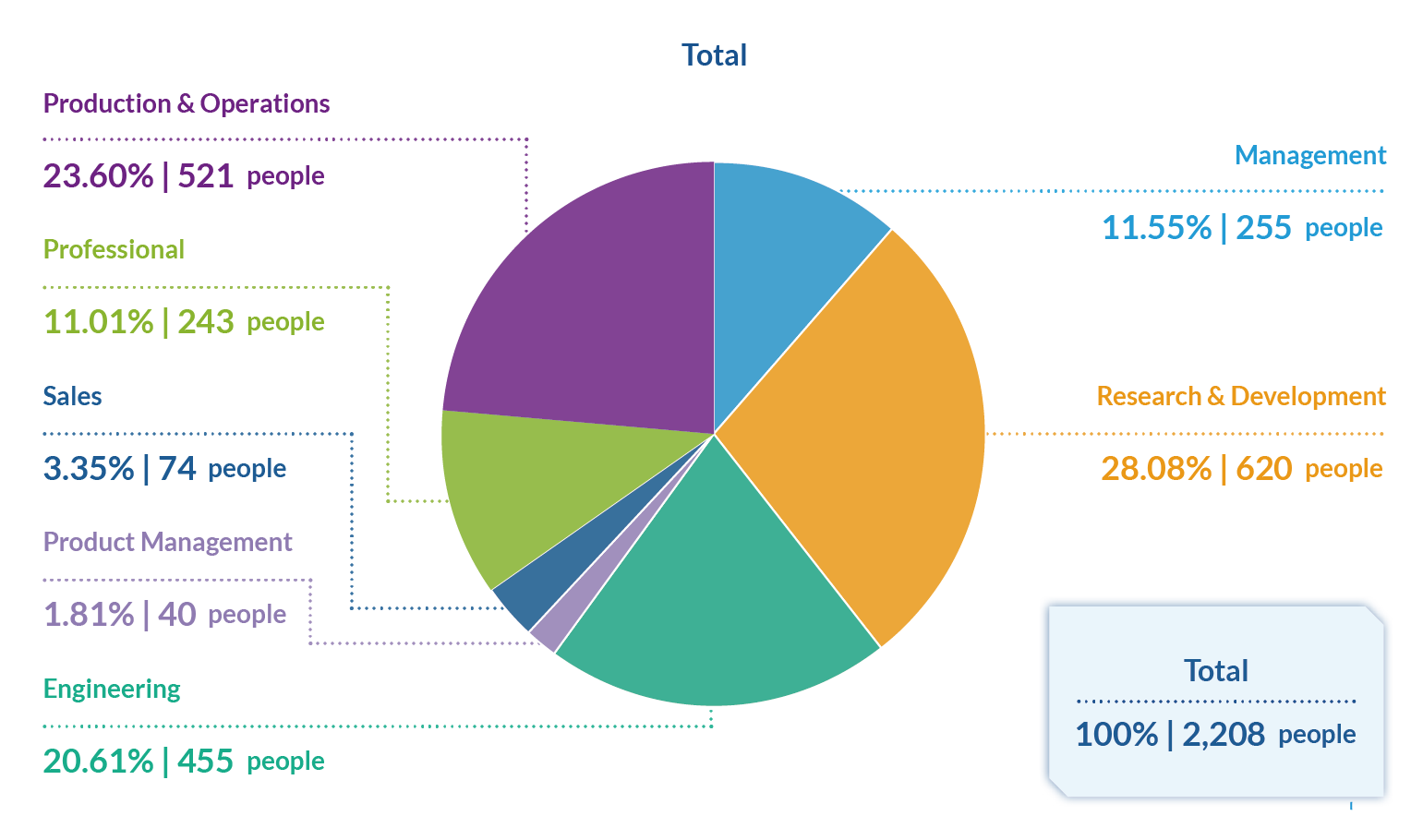
As of the end of 2025, Chroma had a total of 2,208 employees.
At Chroma, employees are regarded as valuable assets of the Company. In alignment with the protection of human rights under the Constitution and the principles of the Act of Gender Equality in Employment, we are committed to providing a diverse, inclusive, and equal opportunity recruitment process. No employee or job applicant shall be subject to discriminatory treatment in language, attitude, or behavior on the basis of gender, race, socioeconomic status, age, marital or family status, language, religion, political affiliation, nationality, physical appearance, or physical or mental disability.
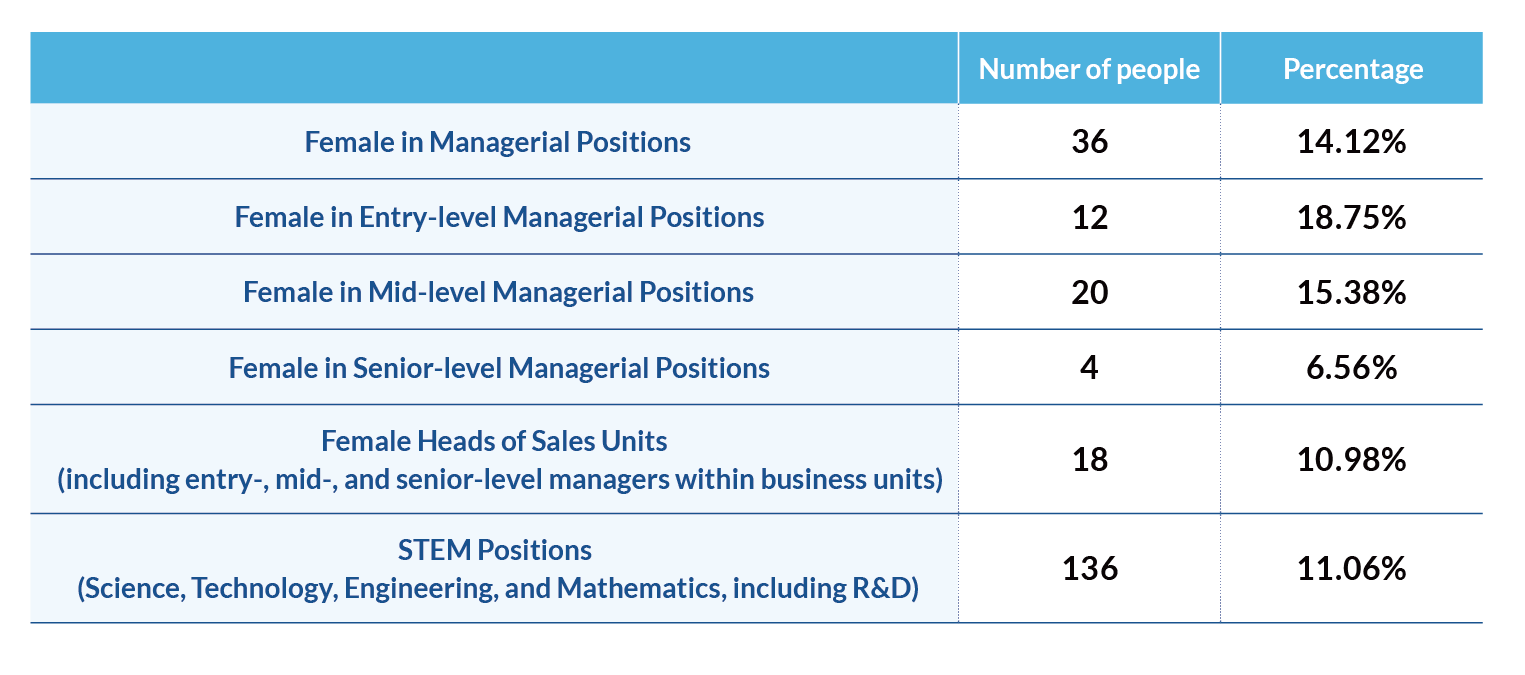
Chroma is committed to hiring and retaining outstanding management talent. The senior management team comprises executives at the level of Divisional Vice President (equivalent) and above, including Divisional Vice Presidents, BU Presidents, Senior Vice Presidents of Centers, and the CEO of the Company. All members of the senior management team are local employed. There were 61 senior management personnel, accounting for 2.76% of the total workforce, of which 6.56% were female.
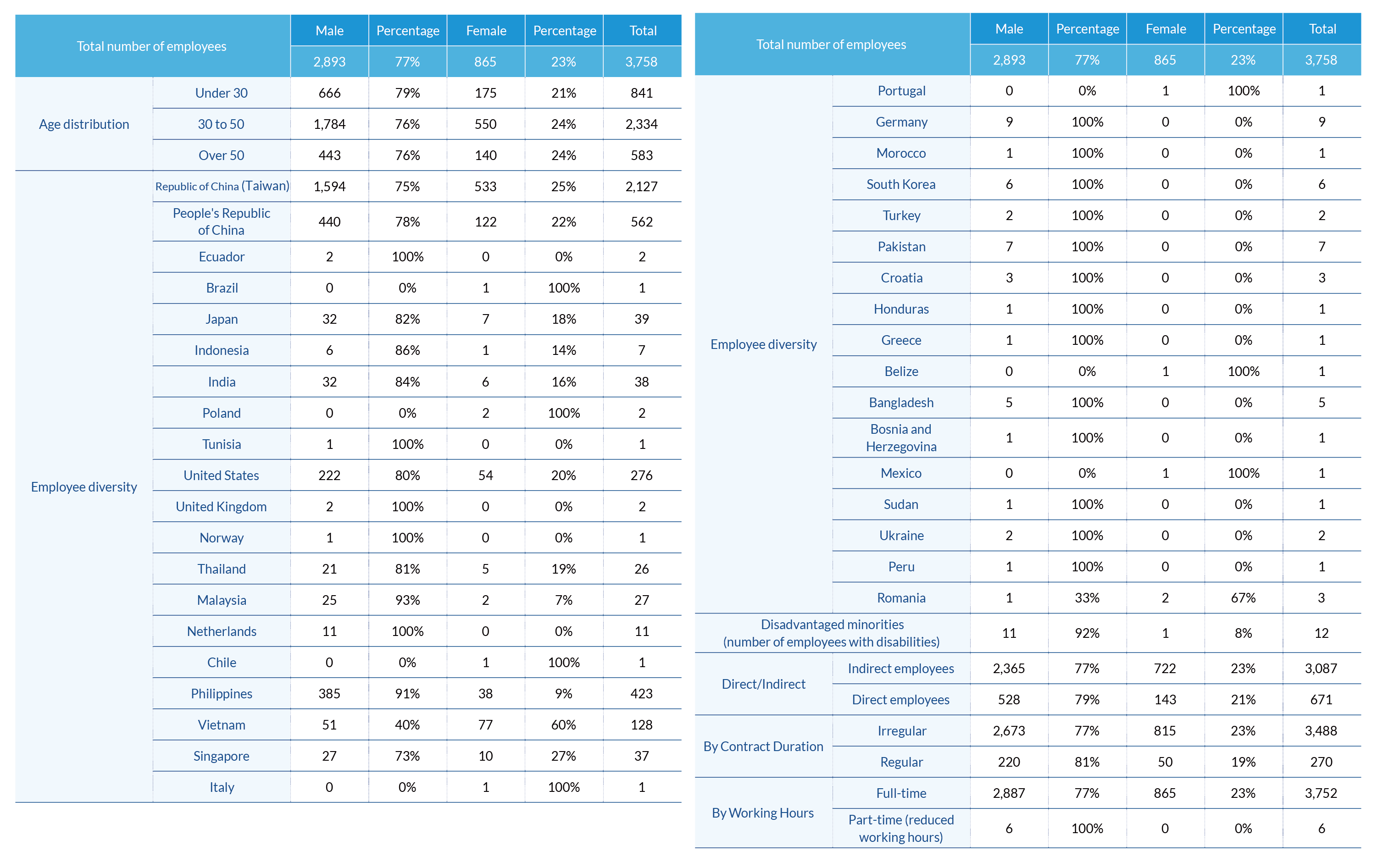
Chroma's workforce reflects a high degree of diversity, with employees from the ROC (Taiwan), the Philippines, Vietnam, Malaysia, the Netherlands, Belize, India, People's Republic of China, and Honduras. This demonstrates Chroma's commitment to diversified employment. All foreign employees are entitled to the same benefits as local employees, with no differences in treatment based on nationality. In addition, Chroma actively supports government policies that promote employment opportunities for persons with disabilities and is committed to fostering an innovative and inclusive workplace. In 2025, the Company hired 11 employees with disabilities and assigned them to appropriate departments where they could fully utilize their strengths and contribute to society. We continue to evaluate and assess positions that might be suitable for applicants with disabilities to provide more employment opportunities for the disabled.
Arrangements for New and Departing Employees
Chroma actively recruits new employees, and the selection process strictly complies with the Employment Service Act. Recruitment is conducted through fair and open channels, with evaluations based on professional competence and individual suitability. No candidate is subject to discrimination based on race, gender, nationality, religion, political affiliation, sexual orientation, or age.
Chroma is committed to cultivating outstanding talent. In 2025, the Company hired 435 new employees, representing a new hire rate of 19.7%. By bringing in young and capable talent, Chroma aims to enhance overall operational efficiency and corporate image, thereby driving higher profitability and long-term sustainable development.
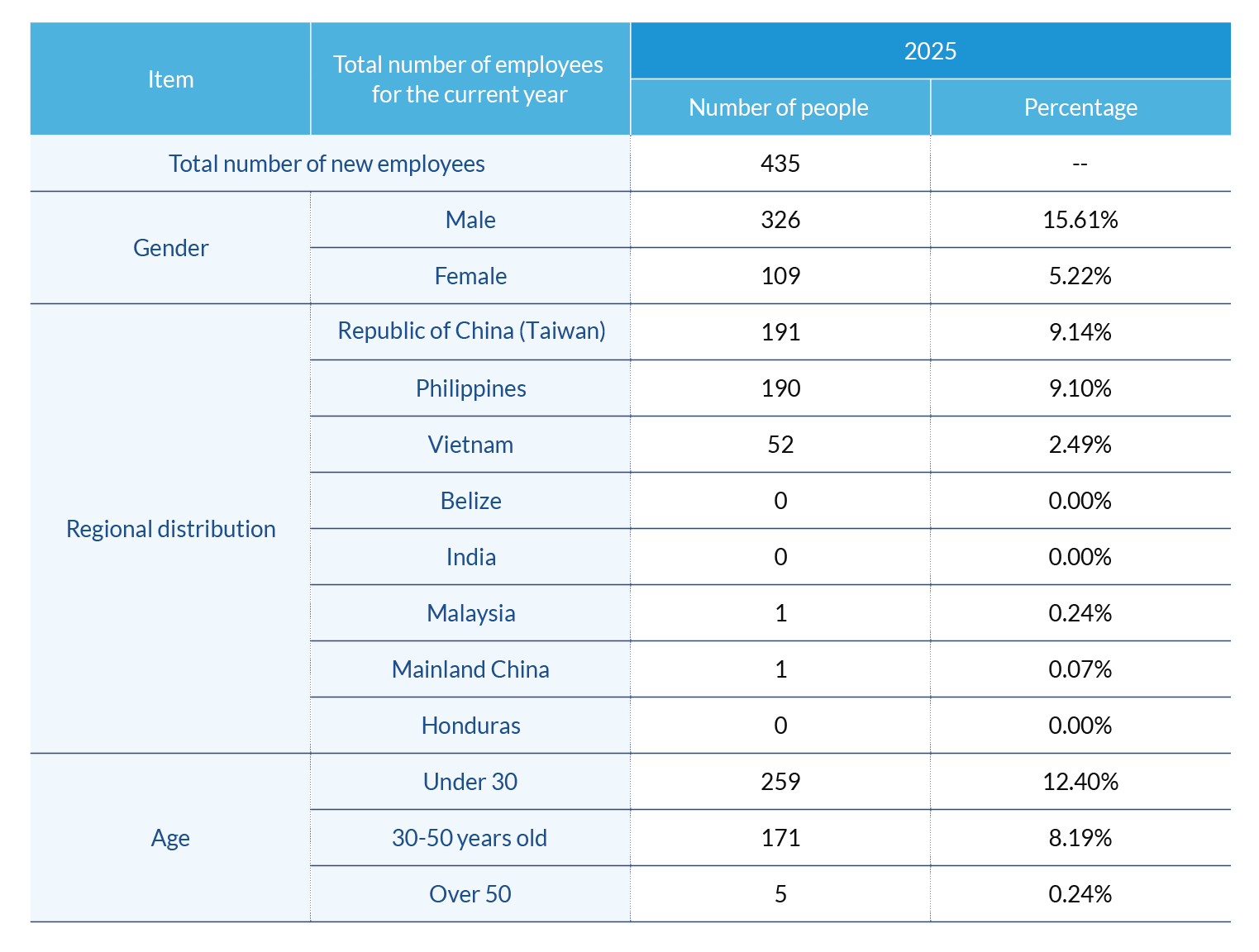
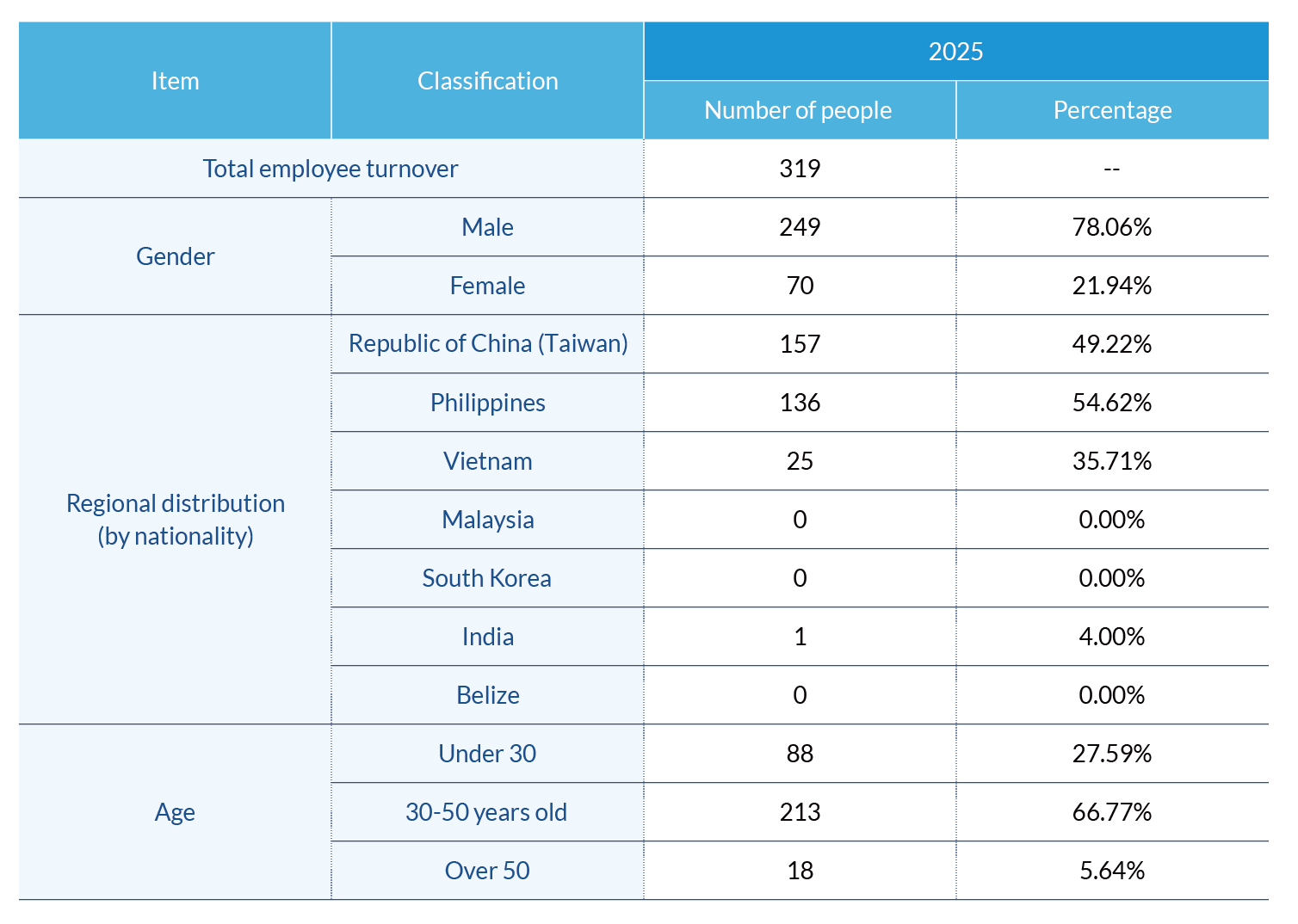
Note 1: The total number of employees for the year is the same as the year-end headcount.
Note 2: "New employees" refer to individuals excluding those reinstated after unpaid leave; "Employees who left" do not include those on unpaid leave.
To ensure a continuous influx of new talent while considering external factors such as economic cycles, a healthy turnover rate typically falls between 5% and 10%. Over the past three years, Chroma's annual employee turnover rate has consistently remained within the healthy range and has shown a declining trend. This reflects the Company's ongoing efforts in talent retention. Reducing employee turnover continues to be one of our key annual objectives. A lower turnover rate not only reduces training expenses, unnecessary employee turnover, severance costs, and other intangible HR expenses, but also enhances overall organizational human resource efficiency. This, in turn, contributes to greater shareholder value and fosters a work environment where employees can fully realize their potential. The Company is committed to ensuring employees receive adequate advance notice in the event of mass termination or adjustments shifts due to operational changes, as required by law.
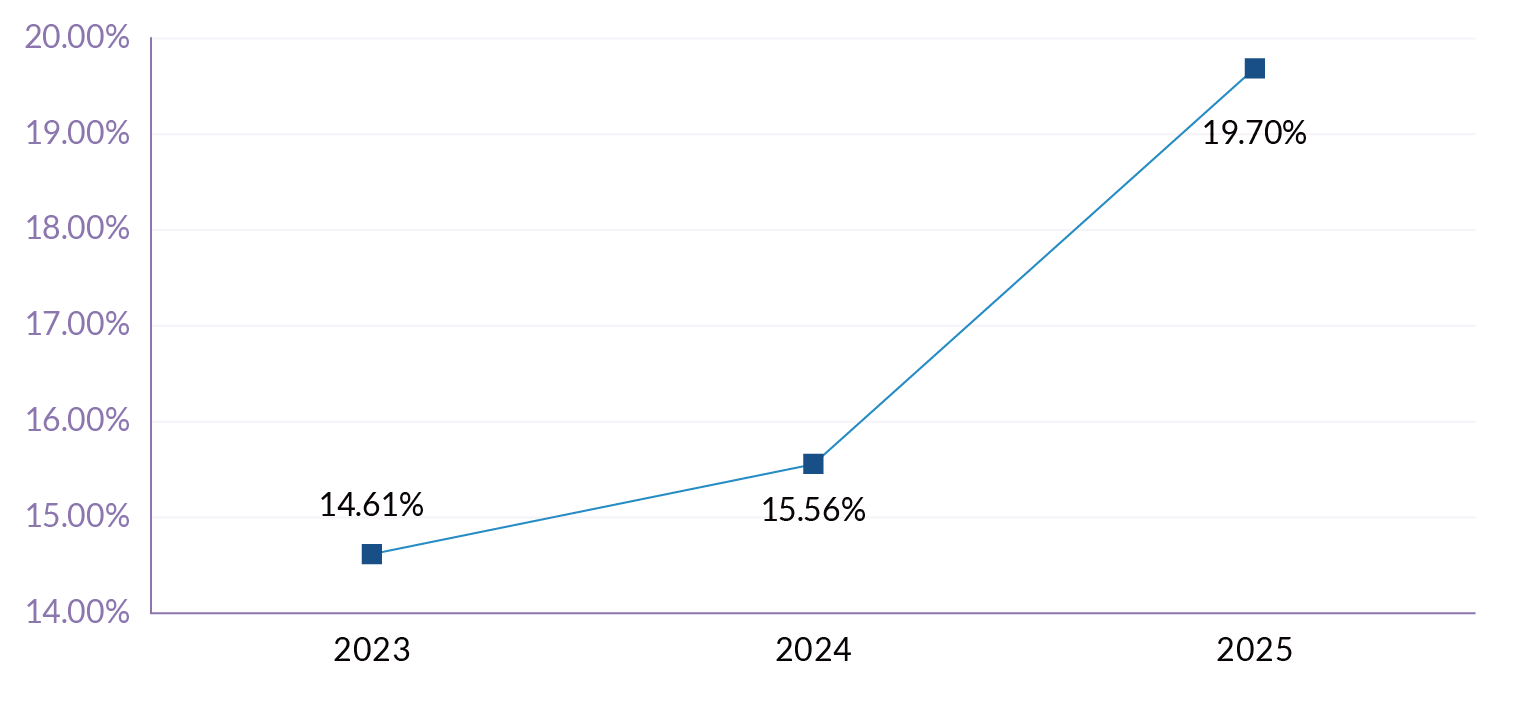
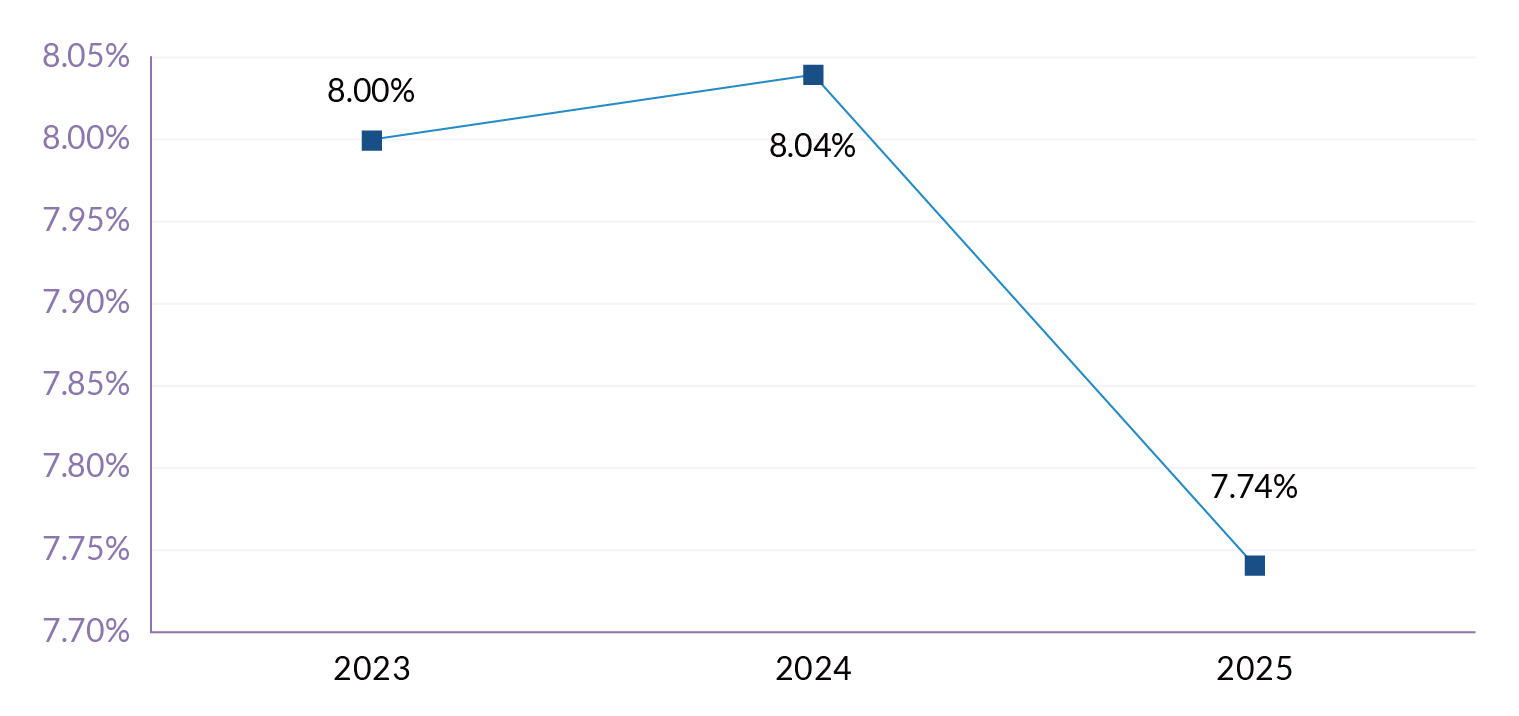
Note 1:New employment rate = (Total number of new employees, excluding reinstatements/Total number of employees for the year) × 100%.
Note 2 Turnover rate = (Total number of employees who left, excluding those on unpaid leave, minus foreign employees whose contracts ended and fixed-term employees)/Total number of employees for the year × 100%.
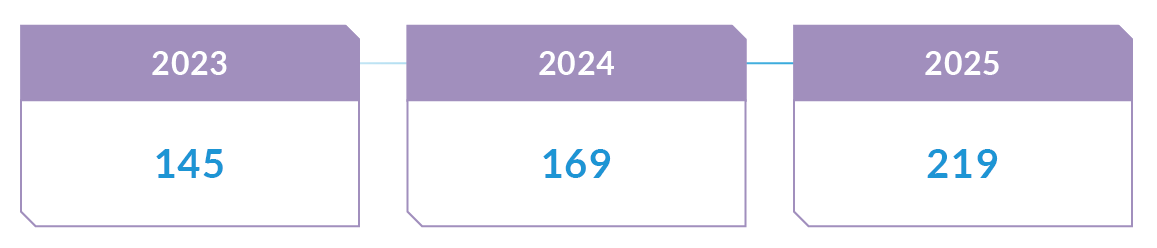
Chroma values placing the right talent in the right position and facilitates this through a wellestablished internal hiring system and process that enables employees to be reassigned to roles that best fit their capabilities. In 2025, a total of 219 employees were reassigned through internal hiring. Over the past three years, internal hiring totaled 533.
Number of Internal Hiring:
Human Rights and Risk Management
Human Rights Policy and Commitment
Chroma strictly complies with the laws and regulations of all countries where it operates, and respects and supports internationally recognized human rights standards and principles, including the International Bill of Human Rights, the Universal Declaration of Human Rights, the Ten Principles of the United Nations Global Compact, and the International Labour Organization's Declaration of Fundamental Principles and Rights at Work. We are committed to treating all employees, contract and temporary staff, interns, and others with dignity and respect. This Human Rights Policy applies to Chroma Group and its investee companies. We are dedicated to reducing human rights risks and minimizing the impact of human rights incidents through our efforts and appropriate remedial actions, while fostering a responsible environment for our employees, suppliers, partners, and the communities in which we operate.
In 2023, we established key human rights issue management practices. A comprehensive process was adopted to ensure full compliance with Chroma's Human Rights Policy. The Company's ESG Office is responsible for human rights-related matters and reports annually to the Board of Directors on the implementation status of the Human Rights Policy and the status of human rights issue management. The Human Resources Department assists each operating site with the day-to-day implementation and routine monitoring of human rights practices. Data are compiled and submitted to the ESG Office every six months, while any exceptional incidents are immediately reported to the ESG Office. We continuously promote human rights awareness and provide related training to all employees and business partners. In 2025, a total of 98 new employees received human rights training, accounting for 22.52% of all new hires.
Free Choice of Employment and Equal Treatment
Key Human Rights Issues
- Prohibition of child labor
- Prohibition of employment discrimination
- Maternity protection
Management Approach
- Clearly stipulates the prohibition of child labor in the Company's internal policies
- Ensures no employment of child labor through recruitment and onboarding procedures across its three sites in Taiwan
- Assists employees with disabilities in job placement and establishes accessible facilities and environments
- Implements a maternity protection program and establishes corresponding protective measures
Prohibition of Forced Labor
Key Human Rights Issues
- Working Hours, Wages and Benefits
Management Approach
- Promote a culture of reasonable working hours and statutory overtime limits
- Establish guidelines for managing excessive workloads
- Implement system and measures for abnormal working hour alert throughout the entire corporation
- Implement a supervisor care program
- Conduct ad-hoc audits on excessive overtime and establish a comprehensive overtime pay calculation and payment system to ensure all employees receive overtime pay in accordance with relevant labor laws and regulations.
Diversity and Inclusion
Key Human Rights Issues
- Anti-discrimination and anti-harassment
- Humane treatment
- Equal pay for equal work
Management Approach
- Implement the "Workplace Misconduct Prevention Program"
- Conduct regular training on the prevention of workplace misconduct
- Establish the "Sexual Harassment Prevention, Complaint, and Disciplinary Measures"
- Ensure that employee compensation and benefits are not affected by gender or ethnicity
- Organize seminars or internal campaigns to promote gender and ethnic equality
Positive Labor Relations
Key Human Rights Issues
- Protection of freedom of association and collective bargaining rights
Management Approach
- Regularly convene labor-management meetings
- Establish multiple grievance channels and a safe reporting mechanism with zero tolerance for retaliation to protect whistleblowers
- Offer a variety of activities to promote work-life balance for employees
- Formulate club management guidelines and provide subsidies to encourage employee participation in club activities
Employee Human Rights Due Diligence
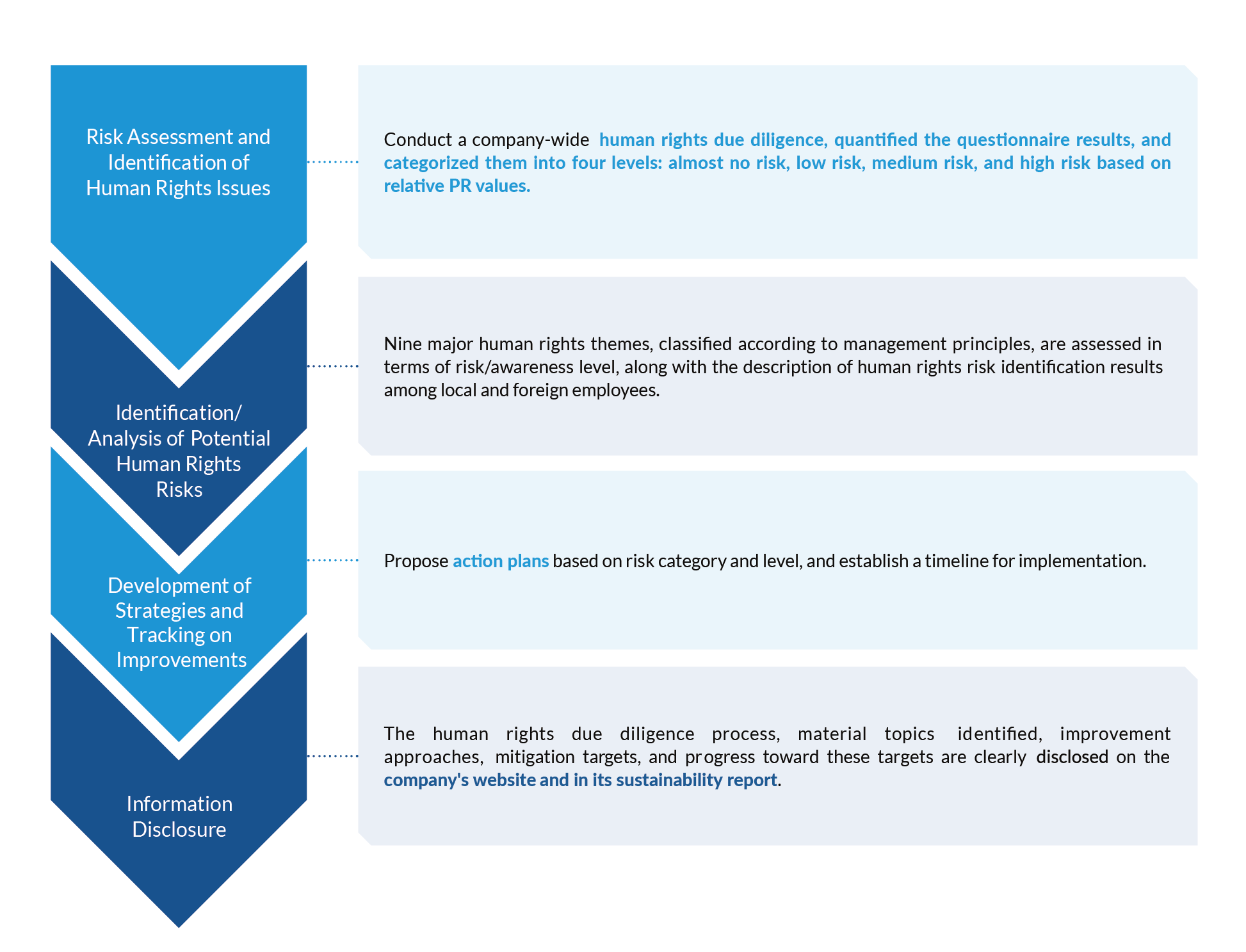
In 2025, Chroma conducted its first human rights due diligence survey, covering both regular and irregular employees within its operations. The survey was conducted in June 2025 via an online questionnaire, targeting employees who had completed their probation period, as well as regular and senior employees. A total of 1,977 questionnaires were distributed (1,647 to local employees and 330 to foreign employees), and 1,646 valid responses were collected, representing an 83% response rate.
This is Chroma's first human rights due diligence survey. The survey achieved an overall response rate of 86%, reflecting employees' trust in the company and their strong interest in human rights issues and the survey itself. The analysis results show that the Company has long promoted a "people-oriented" mindset, which has been embedded in its corporate culture. Moving forward, the Company will continue to raise awareness of human rights risks, diversity and inclusion, strengthen relevant communication efforts, and enhance the implementation of human rights protection and employee safety management.
Chroma fulfills its corporate social responsibility by respecting human rights, establishing a human rights policy and management framework to demonstrate its commitment to human rights protection. Through regular human rights due diligence surveys, the Company identifies potential labor rights issues in its value chain, evaluates and identifies adverse impacts on human rights and the environment, and proactively proposes improvement measures for significant human rights issues. By monitoring and tracking progress, the Company reviews and verifies the effectiveness of these measures and its human rights governance practices. The due diligence results and the effectiveness of improvements are standardized, and open communication channels with stakeholders are established. The Company continues to strengthen its human rights management mechanism to ensure more effective implementation of human rights protection practices.
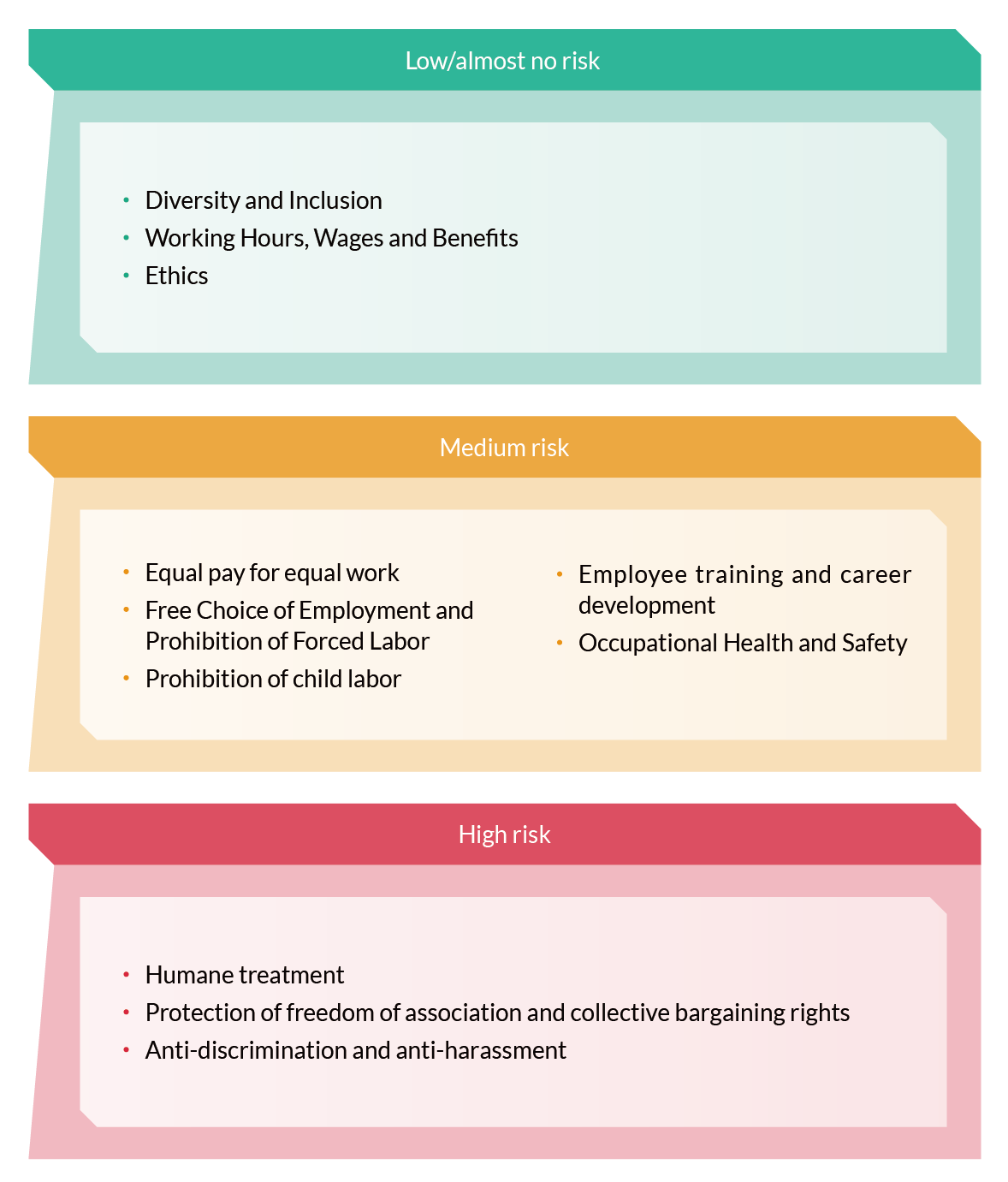
Chroma has designed a human rights due diligence questionnaire based on international human rights standards and the Company's Human Rights and Employee Policy. The questionnaire covers 11 aspects of human rights risks, including diversity and inclusion; anti-discrimination and antiharassment; working hours, wages and benefits; equal pay for equal work; free choice of employment and prohibition of forced labor; prohibition of child labor; humane treatment; protection of freedom of association and collective bargaining rights; occupational health and safety; employee training and career development; and ethics. Subsequently, the due diligence investigation will be conducted once every two years.
Human rights issues of high concern
Through the human rights due diligence, Chroma identified key human rights issues of concern to employees and proposed corresponding mitigation measures and implementation results, as follows:
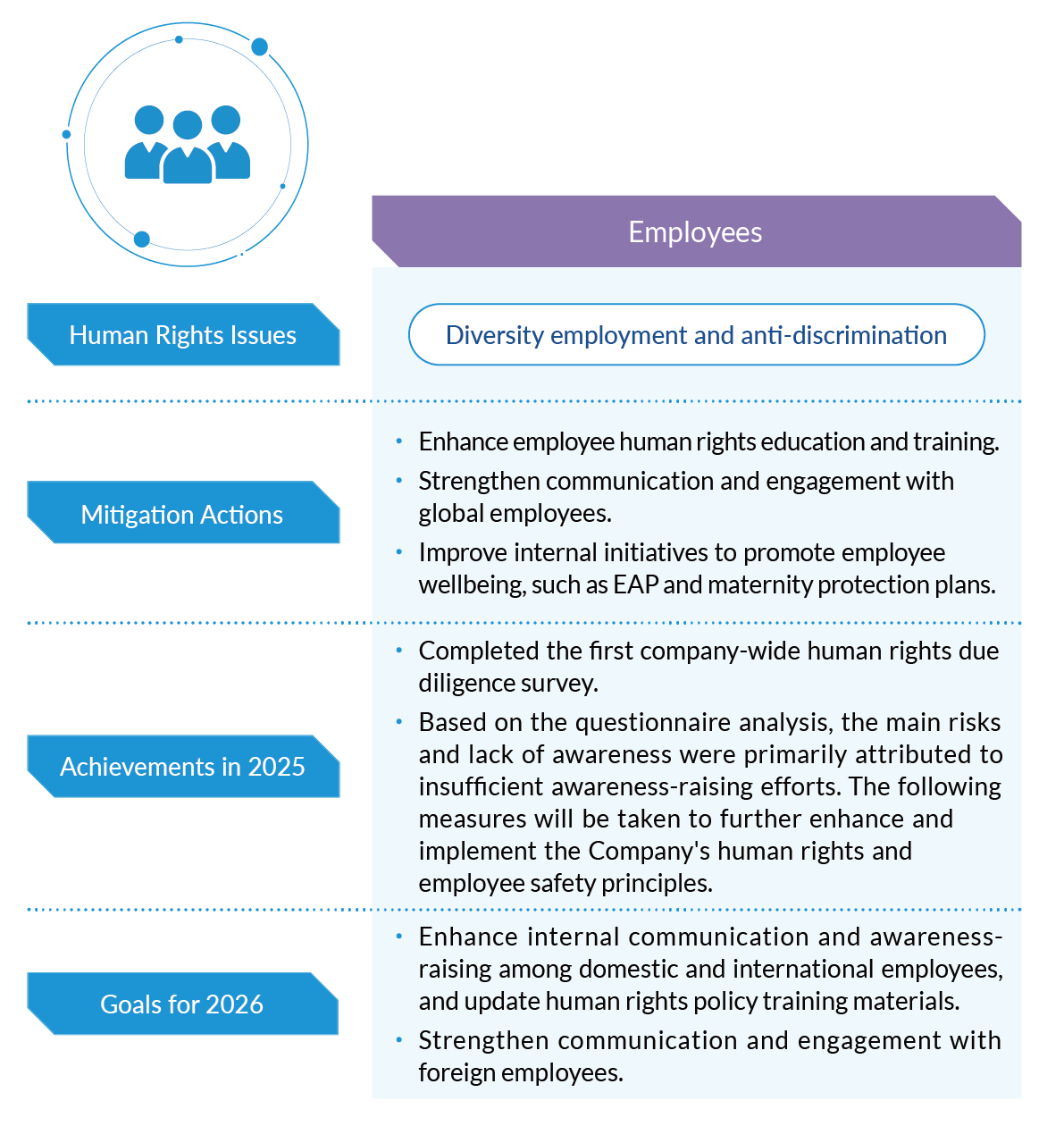
Employee Communication and Care
Chroma places great importance on employee welfare and maintains a harmonious labor-management relationship. In addition to complying with the Labor Standards Act and other relevant regulations, the Company also offers benefits that beyond legal requirements. In addition, to enhance internal communication efficiency and encourage employees to share their suggestions, Chroma not only holds regular internal communication meetings within each department but has also established additional employee communication channels. Employees may express any questions or suggestions through the following means.
Employee Communication Hotline
Extension 19580
external line 03-327-9580
Employee Communication Email
Employee Communication Suggestion Box
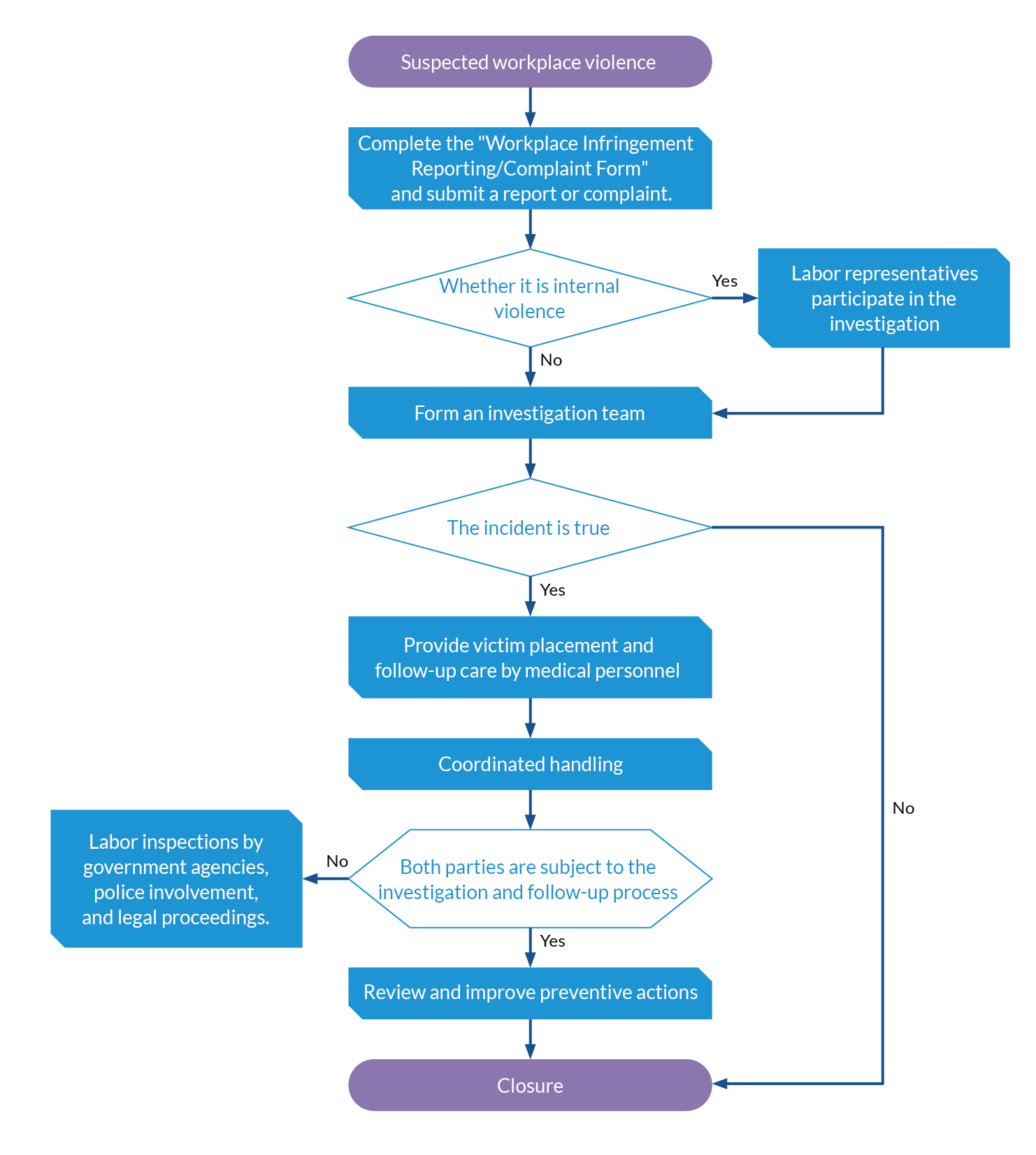
Prevention and Management Procedures for Unlawful Infringement During the Performance of Duties
The Human Resources Division is responsible for reviewing and handling such cases.
Grievance Procedure Flowchart
In 2025, there were zero human rights grievance cases filed through the Company's internal complaint channels.
One human rights complaint was filed through formal external grievance mechanisms. The dispute between the employer and employee regarding the job reassignment was successfully resolved through mediation.
Sexual Harassment Prevention, Complaint, and Disciplinary Measures Guidelines
In line with the amendments to the Act of Gender Equality in Employment, Chroma revised its internal "Sexual Harassment Prevention Guidelines" in May 2024 to the "Sexual Harassment Prevention, Complaint, and Disciplinary Measures Guidelines." The Human Resource Division is responsible for handling complaints, and a "Sexual Harassment Complaint Review Committee" has been established to conduct reviews. The head of the Finance & Administration Center serves as the committee convener. Internal awareness campaigns on gender equality and sexual harassment prevention were conducted in 2024 and incorporated into the training curriculum for new supervisors in 2025. In 2025, no complaints were filed through either internal or external grievance channels.
Labor Union
Reporting and Correction Procedures
Chroma has established formal whistleblowing channels for employees, suppliers, and other external stakeholders to report illegal activities, human rights violations, or breaches of codes of conduct. The Company adopts a confidential complaint mechanism and makes every effort to protect the identity of whistleblowers and the details of their reports. Any form of discrimination, retaliation, threats, or harassment against whistleblowers is strictly prohibited.
We promptly investigate any reported violations and take action to minimize negative human rights impacts. When necessary, an investigation team will be formed to handle the matter appropriately. In case of any violation, a verbal or written warning will be issued depending on the severity of the offense. For serious violations, disciplinary action will be taken in accordance with company regulations, or legal recourse and compensation may be sought where appropriate. Chroma will not tolerate retaliation against anyone who, in good faith, reports violations of laws, conduct standards, or other Company policies.
Professional Ethics
Responsible Unit for Handling Reports: Internal Auditor
Human Rights and Others
Responsible Unit for Handling Reports: Human Resource
Division
There were no incidents of unethical conduct or corruption in 2025 and all employee behavior was in strict compliance with all the pertinent regulations for ethical conduct and true to the Chroma ethical management philosophy.
Employee satisfaction survey
Chroma values the opinions and feedback of its employees. To obtain a deeper understanding of key concerns and enhance employee experience, Chroma proactively develops policies to attract, retain, and cultivate outstanding talent, and continuously identifies areas for improvement. To that end, the Company engages a professional third-party firm biennially to conduct an independent and impartial satisfaction survey and analyze employee work motivation and satisfaction based on the results.
In 2023, the Company conducted its first employee satisfaction survey. In 2025, the survey was also conducted through "104 Corporation Master," using an anonymous format. By engaging a credible third party, the Company aimed to gather genuine employee feedback and obtain industry benchmarking data. The survey was conducted from September 25 to November 5, 2025. A total of 1,651 questionnaires were distributed, of which 1,136 were completed and 515 were not returned. There were 962 valid responses, resulting in a response rate of 69% and a valid response rate of 58%. The employee satisfaction survey results showed an overall score of PR59, with PR62 for value alignment under employee engagement, PR60 for effort and commitment, and PR62 for retention intention. All indicators exceeded the industry average.
The 104 employee experience survey this year builds on the original seven key areas and further explores corporate culture. In addition to measuring engagement, the survey aims to promote "sustainable engagement" by expanding the framework from seven to eight dimensions, with greater emphasis on cultural strength. The survey includes the following two aspects:
Employee satisfaction survey
covers teamwork, leadership, cooperation, development, cultural strength, promotion, compensation, and sustainability.
The following indicators and aspects were used to present overall employee satisfaction:
- I am satisfied with my job: This indicator reflects employees' satisfaction with their current roles and enjoyment of working at the company. The average score was 4.84, higher than 4.69 in 2023.
- Purpose of my job are clear: This indicator reflects employees' understanding of their roles, including work scope, responsibilities, expected outcomes, and key focus areas. The average score was 5.05, higher than 5.03 in 2023.
- I feel happy most of the time at work: This indicator covers work-life balance, sense of accomplishment, application of company values, and managerial communication, accountability, and the resulting happiness. The individual items received average scores of 4.78 or higher, suggesting that most employees enjoy the atmosphere and environment at work. (Full score: 6)
Employee engagement survey
covers values alignment, commitment to effort, and retention intention.
In the engagement survey, employee recognition of the company's vision, business philosophy, mediumand long-term goals, and pride in the company scored 5.04; willingness to commit to working together for the company and to accept relevant job transfers to support business development scored 4.94; and willingness to remain with the company even when faced with external opportunities scored 4.76. All results were higher than those in 2023. Employees are the most important assets of the Company. The employee engagement survey results demonstrate the level of employee recognition of the Company and their commitment to growing alongside the Company.
Global Talent Development Policy
Chroma values employee development and regards talent cultivation and growth as a key competitive advantage. Accordingly, the Company has established a comprehensive education and training system, along with development programs aimed at enhancing employees' professional expertise, management capabilities, and personal growth. Chroma has established a comprehensive education and training system and formulated the "Education and Training Management Procedure." Each year, training courses are introduced based on the training blueprint, and training plans are developed according to the needs of each department, with the goal of continuously enhancing employees' professional competencies. Improvements are made based on this system to continuously enhance employees' professional competencies.
In addition to implementing a career level framework to strengthen dual career paths for both professional and managerial roles, Chroma has diversified the execution of training programs to ensure that specialists across various fields receive more comprehensive and effective development resources.
Chroma holds the same high standards for the quality of its training programs as it does for its products. The Company consistently follows the planning, design, implementation, review, and outcome evaluation processes defined by the Workforce Development Agency's Talent Quality-management System (TTQS) to ensure the reliability and accuracy of its training procedures. In 2024, Chroma received the TTQS Evaluation Bronze Award. In 2025, the Company continued to adopt this framework to enhance and sustain the quality of its talent development management.
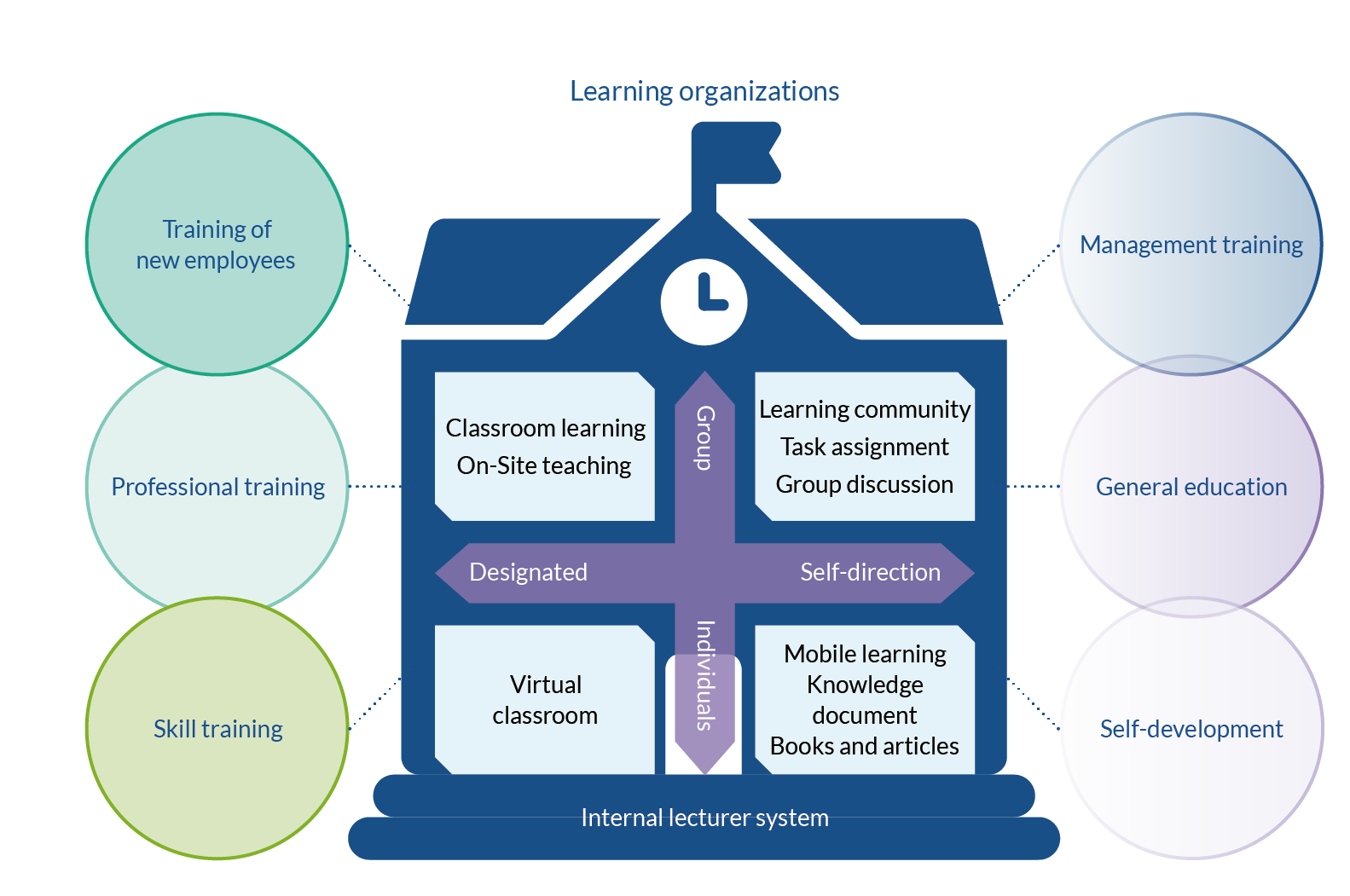
Through its e-learning management system, Chroma not only supports basic functions such as course creation, registration, recordkeeping, and content viewing, but also offers training processes and digital learning features that align with the standards of the training quality system. The e-learning management system offers a wide range of courses and learning resources, including management, marketing, R&D, technical, general, language, onboarding courses for new employees, online self-learning and development courses, and recommended book readings. It provides employees with access to online registration, course participation, and reading materials. It also supports offline learning and a mobile app, enabling employees to learn flexibly anytime and anywhere.
By implementing a digital learning system, Chroma has established a learning-oriented organization that transforms traditional unit-based training into a diversified model addressing both training needs and self-directed learning. Through this system, the Company promotes employee development and personal growth.
Each year, individual departments submit training plans based on their specific needs. The Human Resources Department integrates these annual requirements with career path learning blueprints to formulate the annual training plan. This plan includes courses on management and leadership, professional field-specific training, cross-functional general knowledge, and personal development. By addressing the challenges faced at different management levels, the Company provides guidance on strategic thinking and feasible solutions, enabling supervisors to effectively drive tasks forward and achieve their goals.
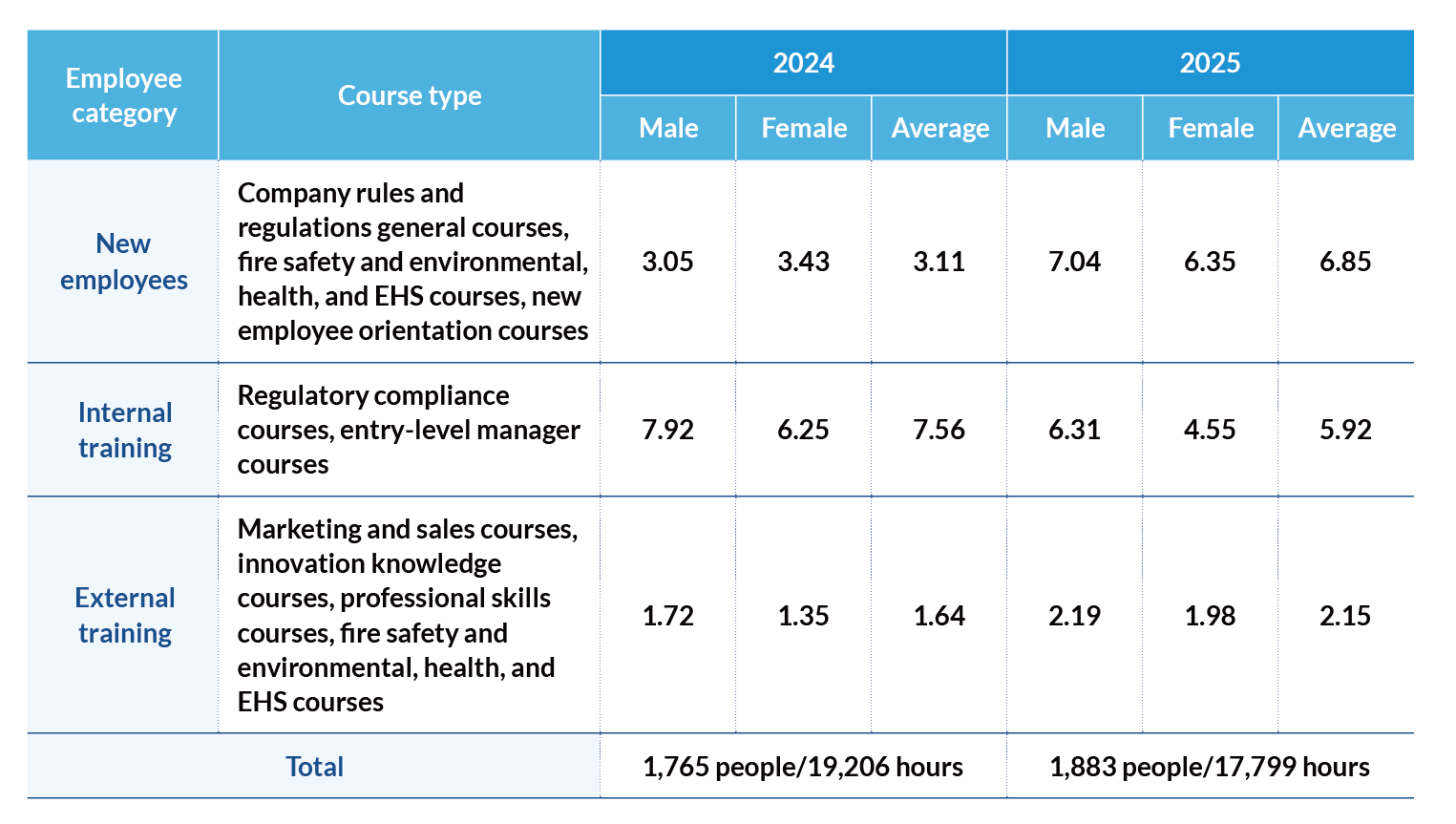
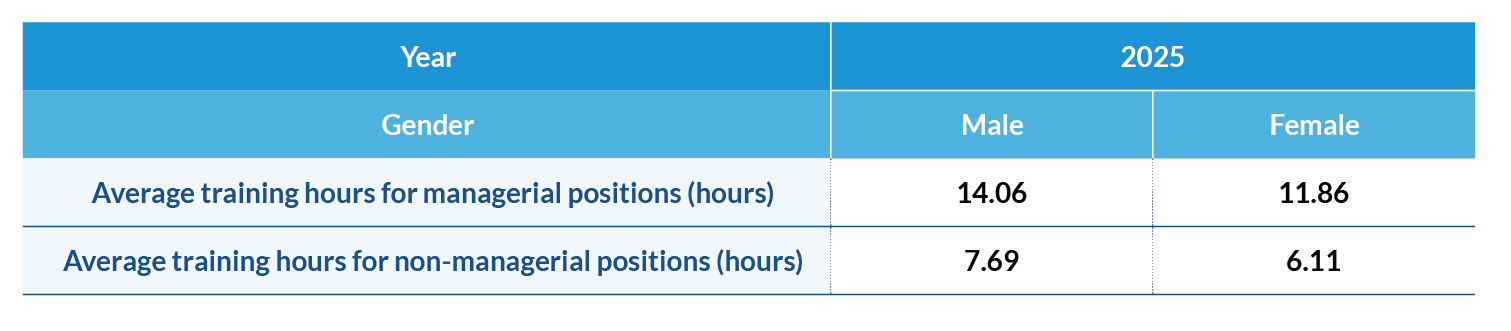
In 2025, in addition to continuous promotion of management competency training, the Company organized advanced courses in specialized professional fields. It also strengthened courses related to professional technology and intellectual property governance, including strategic sales management, measurement system analysis, intellectual property awareness, patent analysis and application, and patent document reading. In 2025, unit supervisors and the Human Resources Department organized on-the-job and internal training programs. A total of 322 internal training sessions were held, with 8,993 participants (instances) and 13,062 training hours.
The Company continues to enhance its employees' understanding of patents, including patent analysis, application, and document interpretation, to strengthen the R&D team's awareness of technology protection and infringement risk management. A total of 307 employees participated in training from 2024 to 2025. Through systematic training and practical application, the Company achieved stable product quality and developed technical differentiation advantages that are difficult to replicate, thereby strengthening its long-term competitive advantages and market positioning.
Performance Management
Chroma conducts an annual performance evaluation for all employees through the Management by Objectives (MBO) system to implement effective performance management. Evaluations are carried out through a fair and reasonable performance appraisal process. The MBO system is used to assess employees' performance during their tenure and serves as the basis for job assignments, promotions, salary adjustments, and training and development, ultimately enhancing overall performance and supporting the achievement of the Company's operational goals.
In addition, considering that it is difficult to quantify work objectives for direct personnel and front-line administrative staff, Chroma has retained a parallel job performance evaluation system based on specific assessment items. The key evaluation criteria include work quality, work efficiency, work competency, and service attitude.
The results of the performance management system are reflected in the promotion management system and the reward and remuneration systems, ensuring that performance evaluations are effectively applied in human resource decisions. With the exception of business unit managers and above, all local employees are required to undergo performance evaluation upon completion of their three-month probationary period. In 2025, 1,685 employees underwent performance evaluation and 89.38% underwent objective-oriented performance evaluation and 10.62% underwent job performance evaluation.
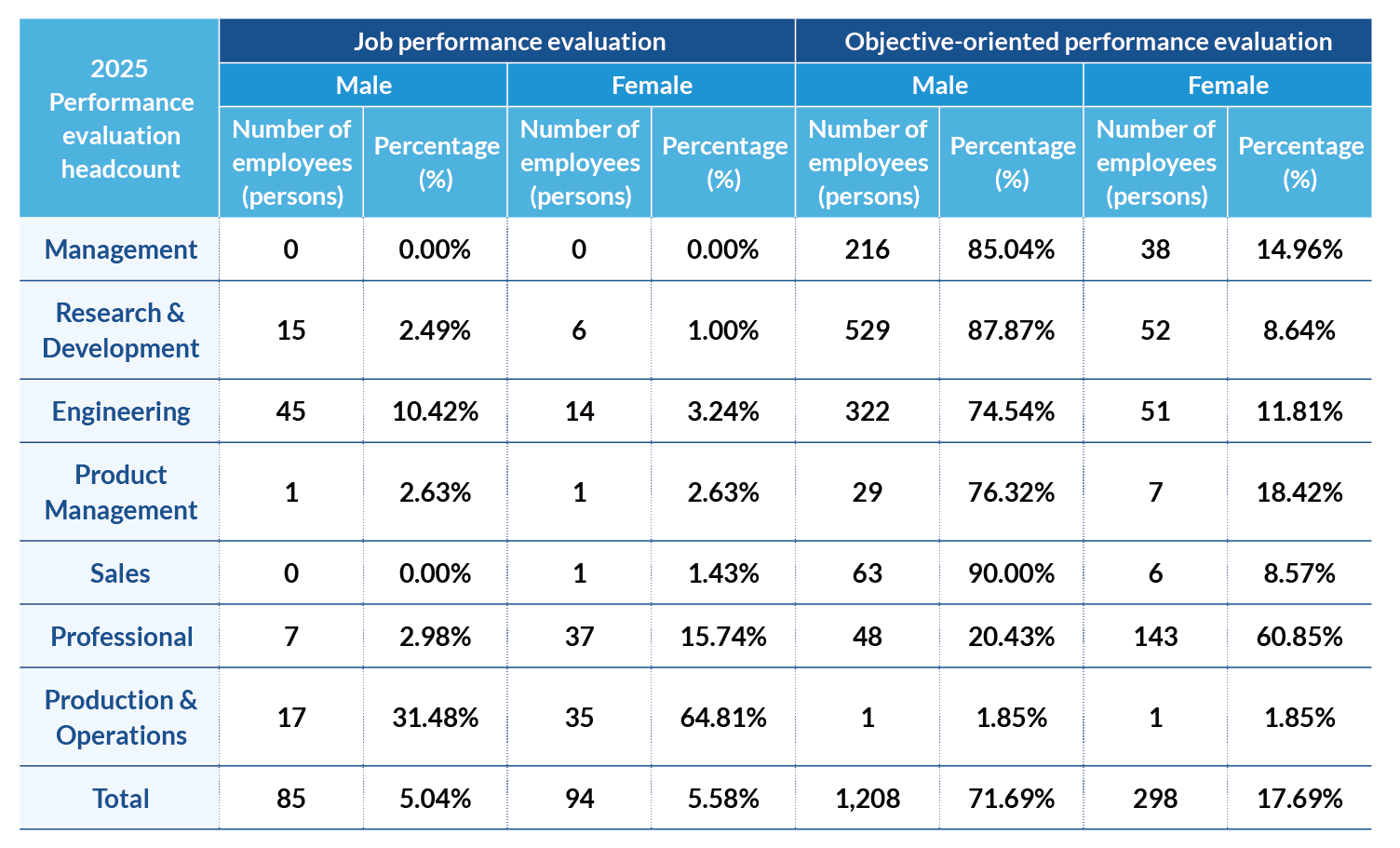
Note 1: Job Performance Evaluation: Applicable to employees under career levels C0, E0, or W1 to W4, as well as new employees of other career levels who joined the Company between July and September of the evaluation year.
Note 2: Objective-oriented performance evaluation: Others.
Employee Remuneration and Benefits
Employee Remuneration
Chroma's operating sites include the headquarters (which comprises the Huaya Plant), the Hsinchu Branch, and the Kaohsiung Branch. Employee compensation is determined by the Human Resources unit based on salary benchmarks that take into account industry standards, the Company's financial condition, and organizational structure. Total compensation is further adjusted based on each employee's professional competencies, job responsibilities, performance, and the achievement of Company operational goals. New employees are not subject to any differences in compensation based on gender, race, political affiliation, beliefs, religion, sexual orientation, or marital status. Overall compensation is determined based on the employee's position, responsibilities, performance, and demonstrated capabilities, and is aligned with the Company's internal "Diverse Salary Scale". Chroma ensures that all employees are compensated at levels exceeding the statutory minimum wage requirements.
At Chroma, the average salary ratio between male and female employees across all career levels and operating locations is close to 1:1. However, due to the nature of the industry, which is heavily focused on R&D and technology, a higher proportion of R&D and technical positions are held by male employees, while female employees are more often engaged in administrative roles. As a result, even when position levels are the same, differences in salary structure may lead to slight variations in the overall male-to-female pay ratio. The basic salary data for 2025 is as follows:
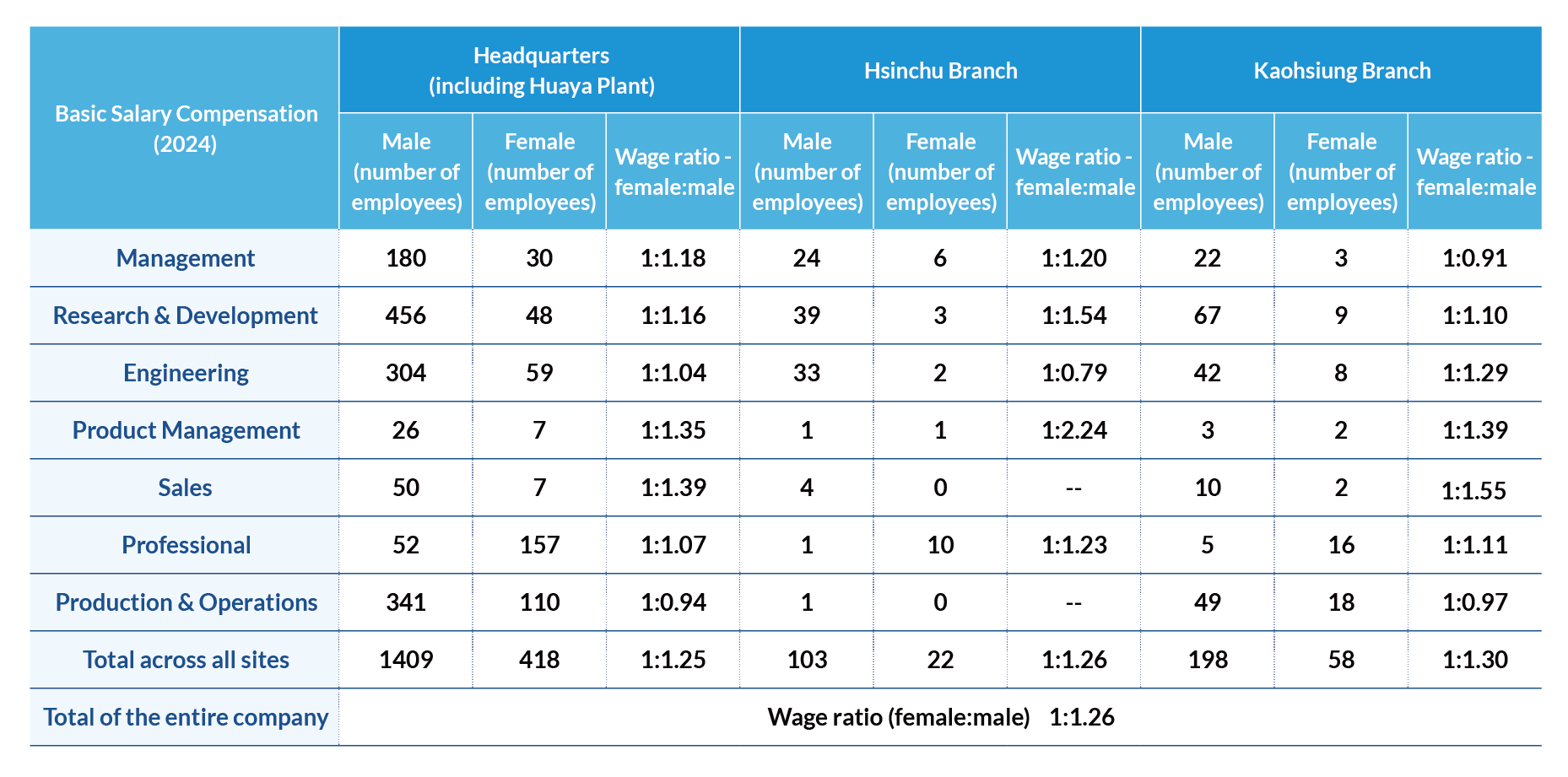
Note 1: Employees assigned overseas are included in the headcount of the headquarters based on their labor and health insurance registration)
Note 2: In 2025, the annual total compensation of the highest-paid individual at Chroma was 43.55 times the median annual total compensation of all other employees in the organization.
Note 3: In 2025, the ratio of the annual total compensation of the highest-paid individual at Chroma to the median annual total compensation of all other employees (excluding the highest-paid individual)
increased by 33.22% compared with 2024.
Employee Benefits
Chroma embraces the philosophy of "treating employees as family" and places great importance on ensuring their care and well-being within the organization. We aim to help employees maintain a healthy work-life balance and have implemented the following measures to reduce unnecessary overtime:
1. The internal system automatically sends individual email and message reminders at the end of the workday.
2. Two hours after the end of the workday, the office air conditioning is automatically turned off to further remind employees to finish their overtime work.
The Company's welfare system provides comprehensive support across all aspects of employees' daily lives, including food, clothing, housing, transportation, education, and recreation, enabling them to focus on their work without concern. In addition, we make use of various communication channels to better understand employees' needs and continuously improve our welfare measures. We have also established a variety of leisure, medical, and health facilities and services at our plants to help employees feel secure and focused at work. With the goal of "working healthily and living happily," we are committed to comprehensive employee care, hoping that our colleagues can maintain a balance between their hard work and a healthy, fulfilling family life. In addition to providing labor and health insurance, maternity subsidies, parental leave without pay, and pension contributions under both the new and old systems in accordance with legal requirements, Chroma also offers comprehensive group insurance coverage for all employees. Furthermore, we provide leave benefits that exceed the requirements of the Labor Standards Act, including one day of birthday leave and five days of paid sick leave annually. These benefits are designed to ensure employees' well-being, allowing them to work and live safely while also having sufficient time to rest and recharge. In addition, employees are encouraged to utilize their annual leave, with unit supervisors monitoring leave usage. The Company also reminds employees to take their annual leave through the internal system in the fourth quarter of each year.
- Chroma provides 5 days of paid sick leave annually, which exceeds statutory requirements.
- One day of paid birthday leave.
- Menstrual leave for female employees.
Retirement system
Re-employ experienced talent to bolster sustainability and knowledge preservation
Parental Leave Without Pay
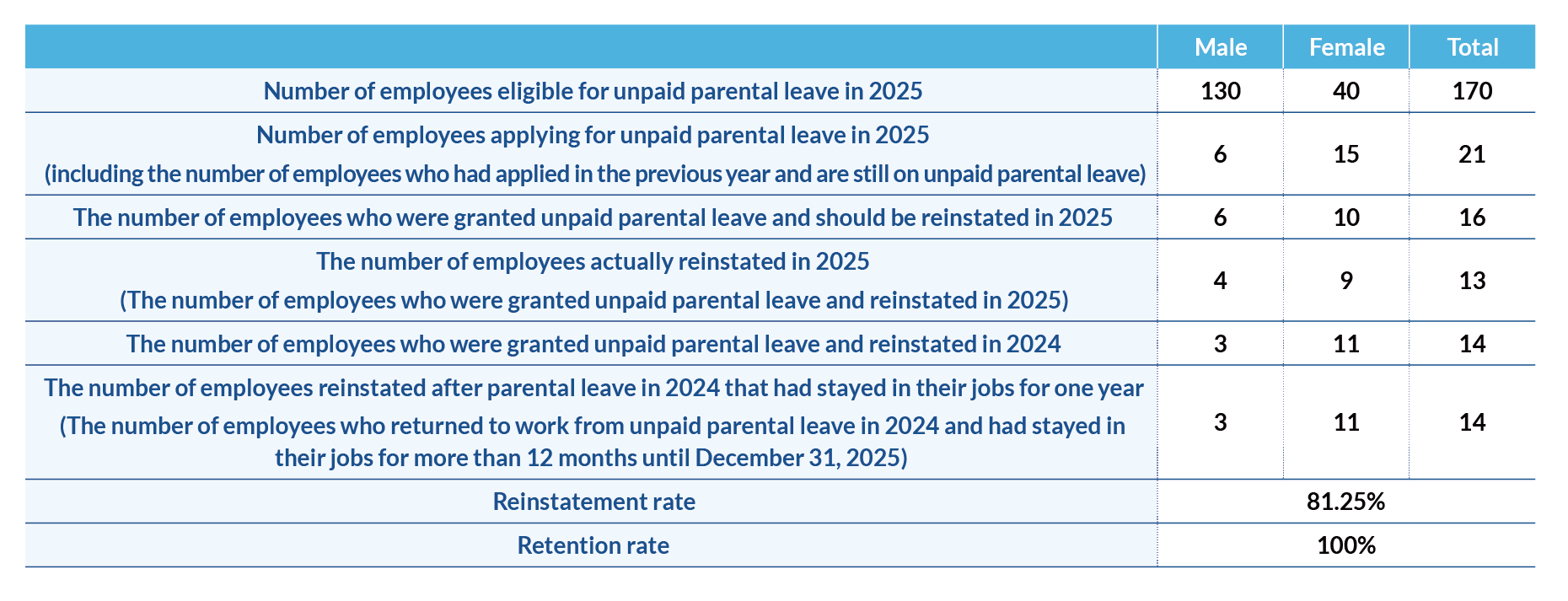
Note 1: Reinstatement rate = (Number of employees actually reinstated after unpaid parental leave in 2025 / Number of employees to be reinstated after unpaid parental leave in 2025) x 100%
Note 2: Retention rate = (Number of employees who returned from parental leave and remained employed for at least 12 months / Number of employees who returned from parental leave in 2024 and remained employed for at least 12 months) x 100%